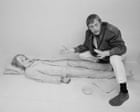
Andrew Durbin's new double biography rescues two names that should never have been forgotten. Paul Thek and Peter Hujar shaped the aesthetic and intellectual life of 1960s New York, yet art history largely erased them both.
Thek, a painter and sculptor, counted Cy Twombly, Tennessee Williams, and Gore Vidal among his circle. Hujar's photographs inspired the final pages of Susan Sontag's second novel. Sontag dedicated two books to Thek and slept with him. Warhol sent Thek a Brillo box. Fran Lebowitz called Hujar a genius about sex. The accolades piled up. Then the culture moved on.
Durbin's account doesn't pretend neutrality. He writes with tenderness but refuses to soften the edges of how these men lived and worked. The book traces not just their artistic output but their relationships, their influence on the artists around them, and the slow indifference that claimed them both.
This is rescue work disguised as biography. It's the kind of writing that makes you wonder what else we've forgotten, what other brilliant people got written out of the story while we weren't looking. Durbin argues implicitly that some absences from history are deliberate erasures, not accidents.