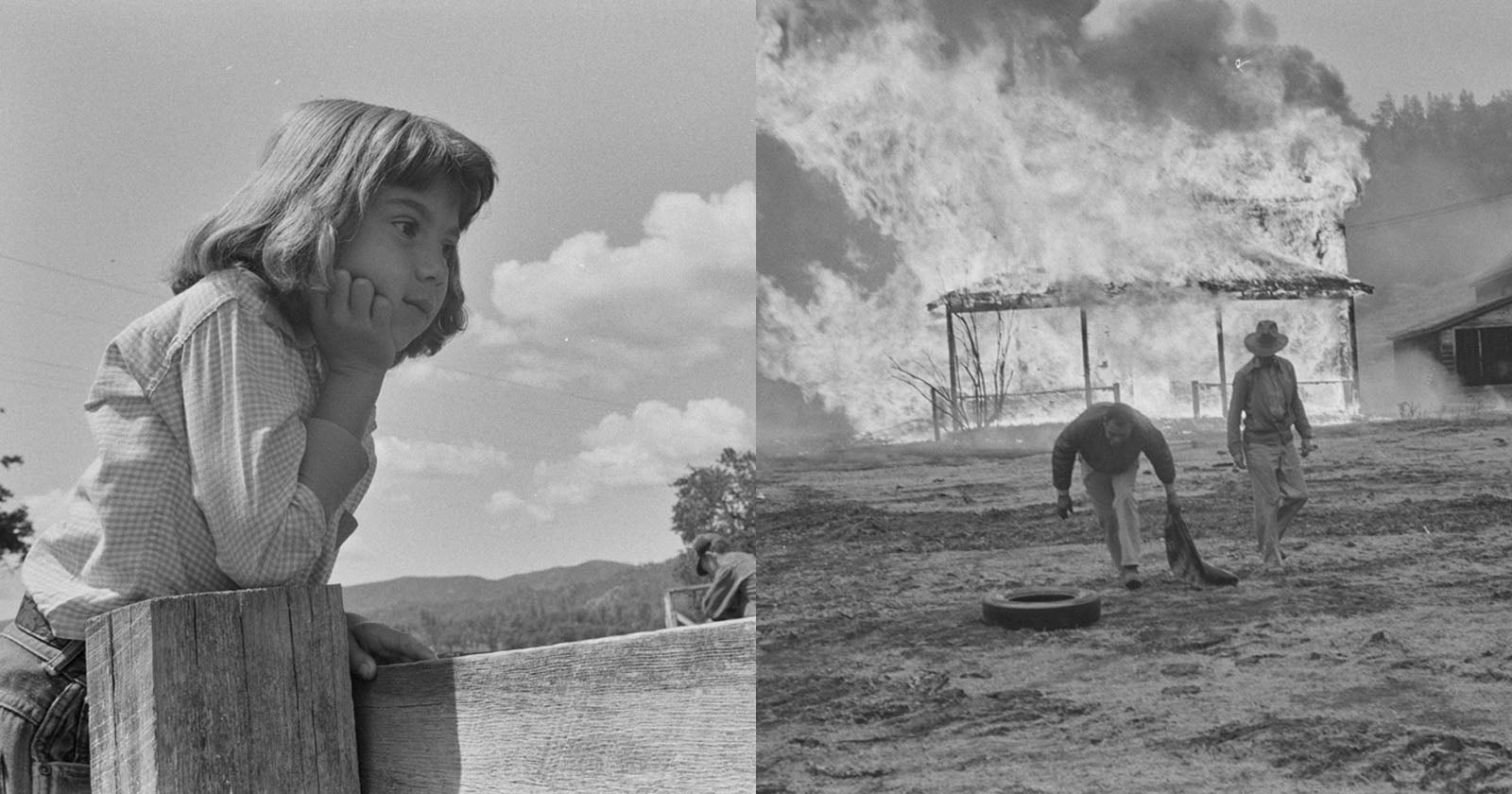
The University of California has digitized a haunting photographic archive documenting the final days of a town before it vanished beneath water. Dorothea Lange and Pirkle Jones captured the slow collapse of everyday life in what became a flooded landscape, their images now preserved and accessible online.
Lange's work, already legendary for her Depression-era portraits and Japanese American internment documentation, takes on new resonance here. Paired with Jones's images, the collection documents displacement and loss with the same unflinching eye that defined her career. These weren't famous commissions or celebrated assignments. They were a record of ordinary people confronting erasure.
The digitization matters beyond historical completeness. These photographs exist as evidence of a moment when government policy, environmental transformation, and human consequence collided. A town's worth of stories would have remained scattered across private collections and archives, accessible mainly to specialists. Now anyone can witness the faces, the structures, the final gestures of inhabitants saying goodbye to their homes.
What makes this recovery work is its specificity. These aren't abstract concepts about loss. They're individual frames frozen in time, the kind of images that reshape how we understand both photojournalism's power and the hidden costs of infrastructure projects. UC's decision to digitize and share transforms forgotten negatives into a public reckoning.