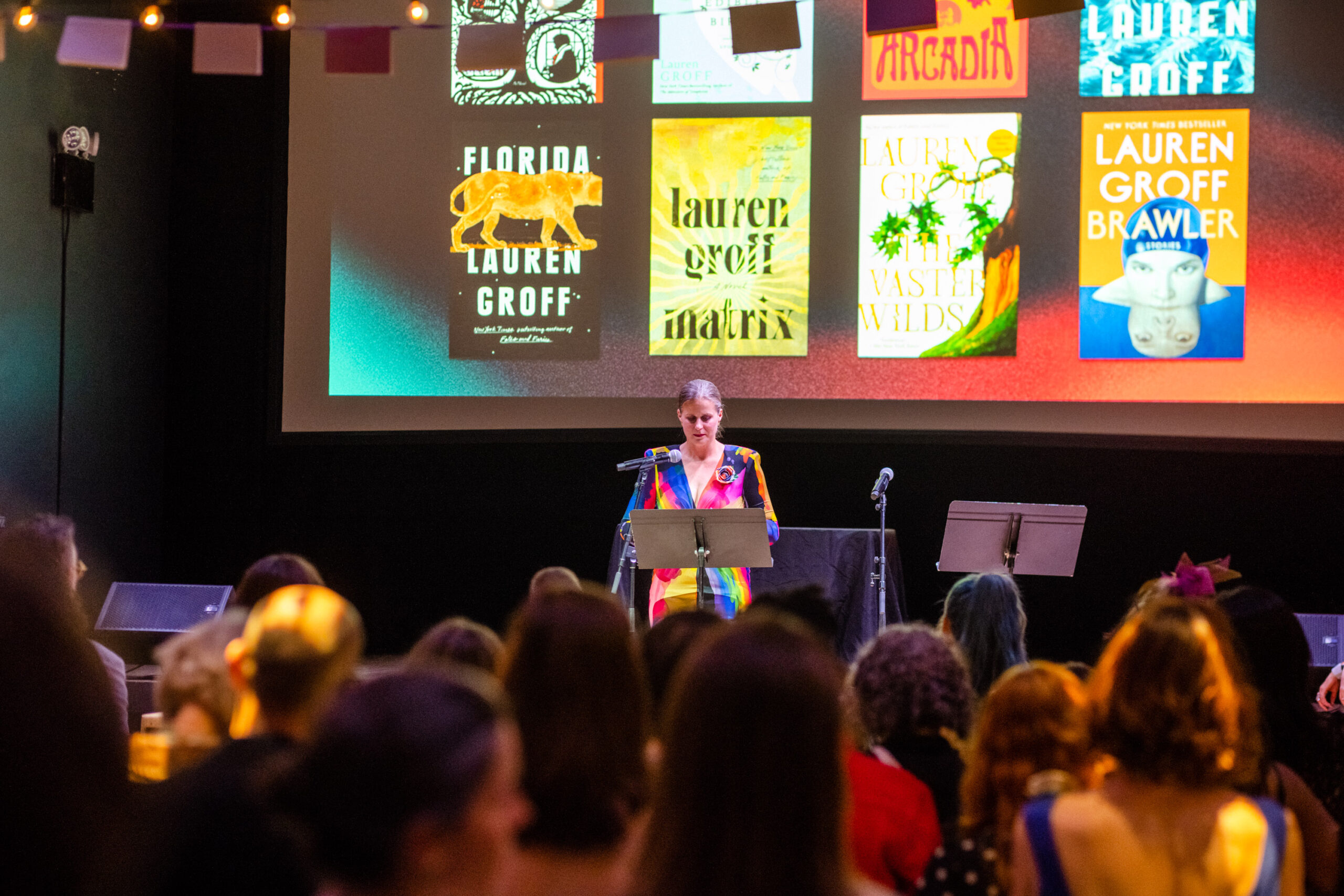
Lauren Groff showed up at a One Story literary event and delivered something closer to a manifesto than a typical author appearance. The novelist spoke about the absence of boredom, arguing instead that what people call boredom is simply a failure to notice the world around them. It's a philosophy that tracks with her work: Groff's fiction obsesses over small details, the textures of ordinary life transformed through precise observation.
She marked the occasion as the eighteenth anniversary of One Story, the literary magazine founded by Hannah Tinti and Maribeth Batcha. Groff's gratitude felt genuine, rooted in the magazine's steady vision over nearly two decades. Her remarks suggested something many writers know but rarely articulate so directly: attention itself is a creative act. You don't need novelty or external stimulation. You need to look harder at what's already there.
For readers familiar with her work across novels like "Matrix" and "The Monsters of Templeton," this wasn't new territory. But hearing her say it out loud, in a room full of people who care about literature, underscored why she matters as a voice in contemporary fiction. She makes boredom impossible by showing us how to see.