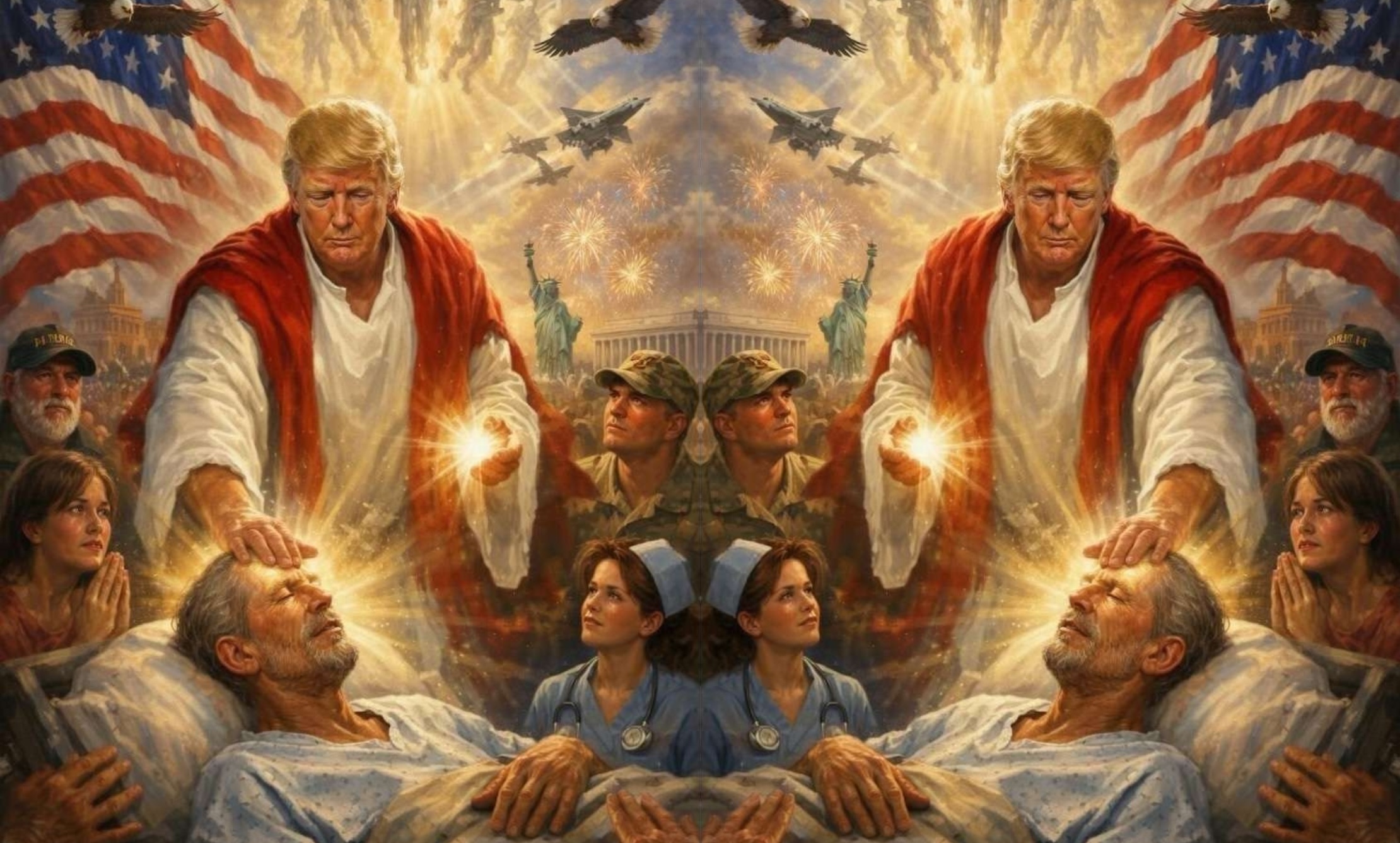
Satire remains a viable literary tool in 2026, though many writers worry the form has lost its bite. The concern itself misses the point. Satire has always demanded courage from its practitioners, and that hasn't changed. What has shifted is our collective understanding of what satire actually does.
The real problem isn't that satire is dead. It's that readers and critics often mistake the form for something simpler: parody, snark, or pure comedy. Actual satire requires a target with teeth, a moral position worth defending, and enough restraint to let the absurdity speak. It demands the writer believe in something enough to expose its corruptions.
Contemporary satire faces a particular challenge. The world has become so visibly ridiculous that fiction struggles to outpace reality. When politicians and institutions already perform their own grotesque versions of themselves, the satirist's job becomes less about exaggeration and more about precision. The best satire doesn't scream. It observes. It documents. It finds the specific moment where a system reveals its own contradictions.
Writers who choose satire now aren't being bold in some reckless way. They're being honest about the work required to make satire land. The form hasn't failed. Our ability to recognize it has simply gotten rusty.