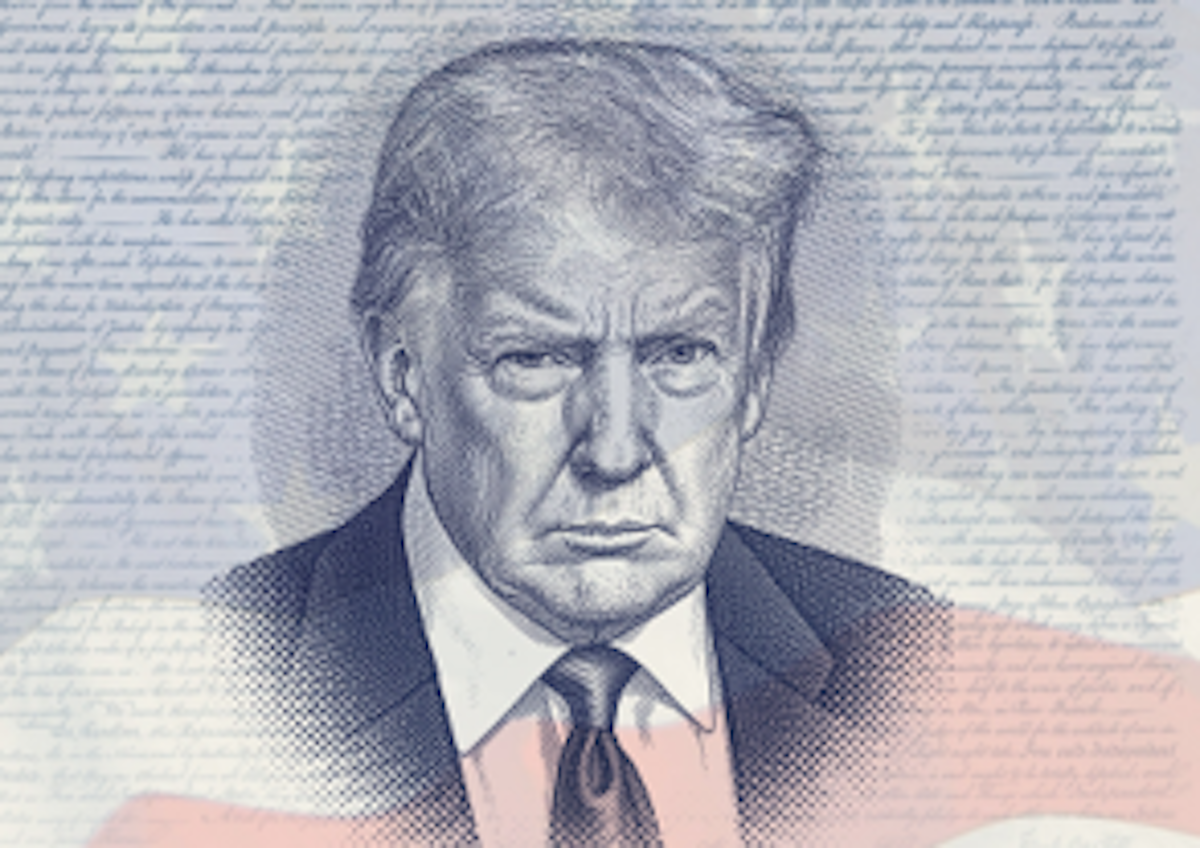
Donald Trump ordered his face added to the cover of the U.S. passport, transforming a centuries-old civic document into a personal billboard. The move represents a brazen escalation in his pattern of stamping his name and image across government property and institutions.
The design decision treats the passport less as a symbol of national identity and more as merchandise bearing the presidential seal. It's an audacious gesture that weaponizes the machinery of state to amplify a singular brand. Other presidents have resisted such vanity projects. This one embraced it without hesitation.
The passport redesign sits alongside Trump's broader campaign to colonize public resources. He's already named buildings, airports, and highways after himself. He's monetized the presidency through branded merchandise and licensing deals. Adding his face to a document Americans carry across borders extends that logic into the realm of official governance itself.
What makes this particularly striking is the casualness of the overreach. The passport isn't ceremonial. It's functional. It's handled by millions of citizens, border agents, and foreign officials. It becomes an unwitting vehicle for personal promotion, a government-issued advertisement that taxpayers fund and carry involuntarily.
The decision crystallizes how thoroughly Trump collapsed the boundary between personal brand and public office. The passport no longer represents the United States. It represents one man's dominion over the symbols of state power.