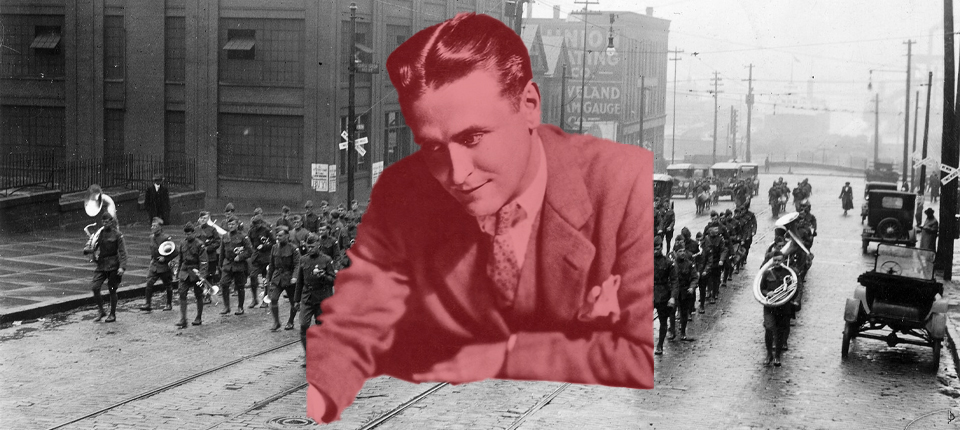
Satire isn't dead. We're just bad at recognizing it anymore.
That's the argument Erin Van Der Meer makes in a new essay that reframes our cultural moment. Instead of blaming the form itself for its supposed obsolescence, she flips the lens: maybe satire thrives exactly where we've stopped looking for it. The pieces that feel too on-the-nose, too obvious, too weird to be real are often the ones doing the sharpest work. We've trained ourselves to mistake genuine satire for sincerity, and sincerity for satire, until the whole system collapses into itself.
Elsewhere in literary culture, Lauren Groff explores something equally radical in a different register. She examines the political power of refusal, of doing nothing. Not as passivity or laziness, but as a deliberate act of resistance. Groff frames this through her famous line about witches and their wills, positioning inaction as its own kind of agency.
Both pieces interrogate how we misread contemporary culture. Satire requires readers willing to catch its signals. Groff's essays demand we rethink what counts as action. They're conversations happening in literary spaces about the forms and gestures that matter most right now, even when they're invisible.