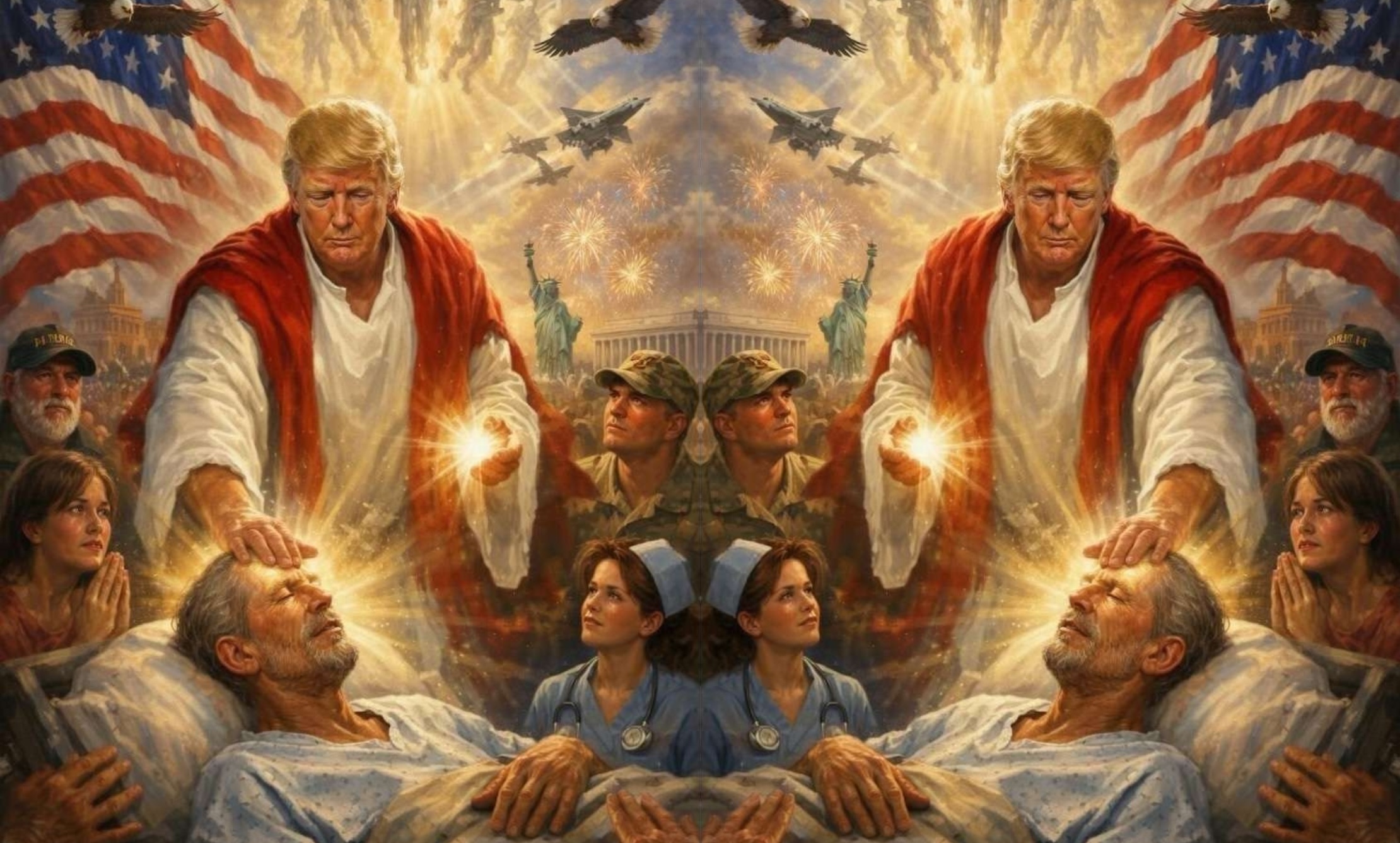
Satire endures, but we've forgotten how to read it. The form never stopped existing, yet critics keep announcing its death every few years, each time with genuine bewilderment that someone dared attempt it.
The problem isn't satire itself. It's that we've confused satire with parody, irony, and simple meanness. Satire punches at power structures. It exposes hypocrisy. It requires the reader to recognize what's being critiqued, which means satire only works when there's shared cultural literacy between writer and audience. That consensus has fractured.
In 2026, the landscape feels hostile to the form. Political rhetoric has gotten so absurd that actual satire struggles to outpace reality. A fictional scenario lands as just another news cycle. Social media reward systems favor hot takes and outrage over the patience satire demands. Audiences mistake cruel mockery for satire and call genuine critique unserious.
Yet writers keep attempting it. They know something journalism alone can't accomplish. Satire operates through implication and exaggeration rather than explanation. It trusts readers. That's the gamble now.
The boldness isn't in writing satire in 2026. The boldness is believing anyone still wants to sit with the discomfort it creates, rather than immediately sharing their reaction to 10,000 strangers online.