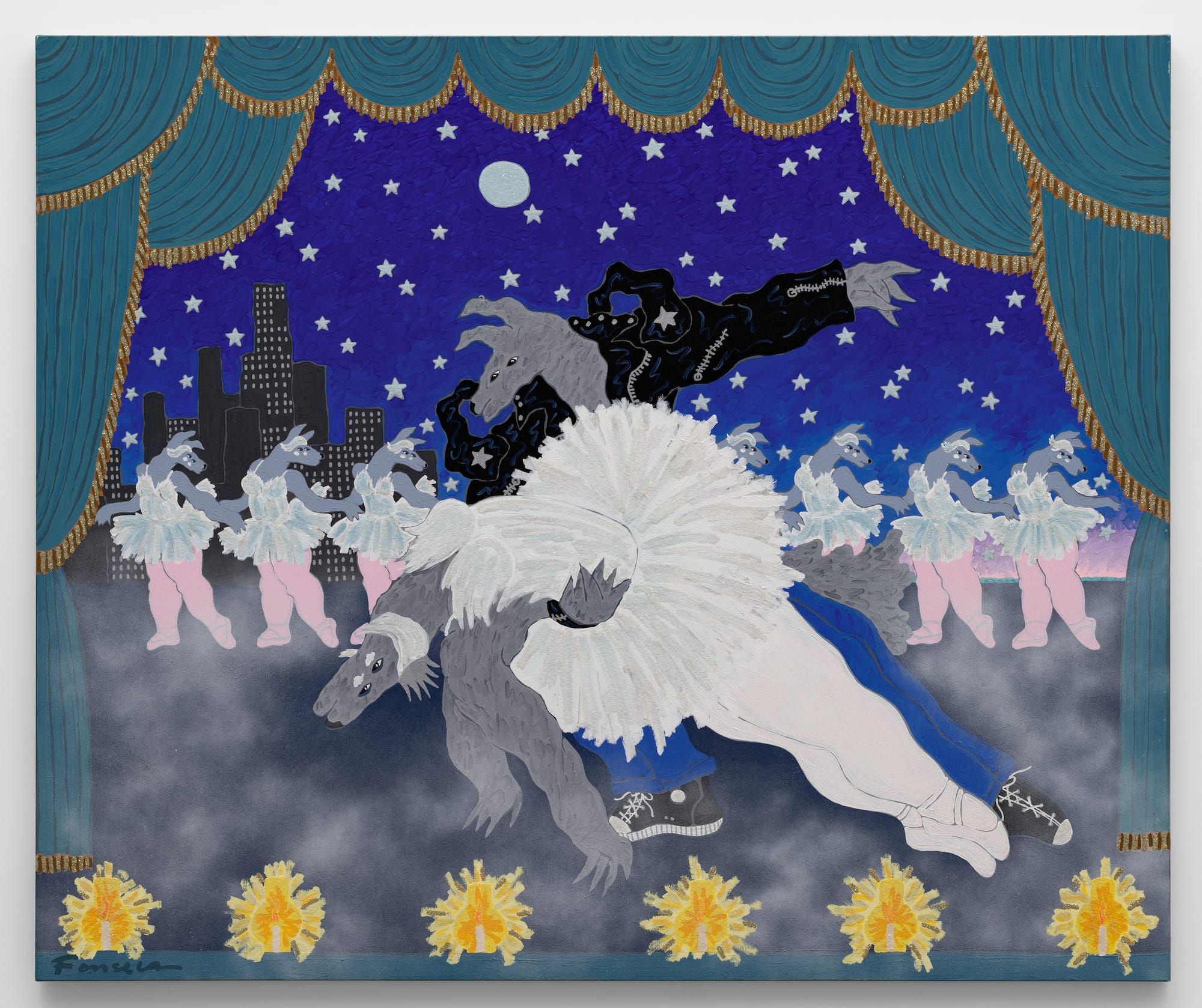
Los Angeles's gallery season this May centers on retrospectives and institutional debuts that span photography, conceptual art, and music history. Yoko Ono makes her first major Los Angeles museum appearance, a landmark exhibition long overdue for an artist whose conceptual work shaped postwar art and whose contributions have often been overshadowed by her role as cultural figurehead. Alongside this, Richard Mayhew's "mindscapes" arrive in the city, bringing his distinctive approach to landscape abstraction and color theory to West Coast audiences. Gordon Parks enters the conversation through his musical compositions, a lesser-known dimension of the legendary photographer's practice that complicates the standard narrative around his work in civil rights documentation and portraiture.
The show honoring Celeste Dupuy-Spencer reflects the ongoing recalibration of institutional attention toward artists of color whose legacies demanded reassessment. These exhibitions collectively signal Los Angeles's maturing role as a secondary art market increasingly willing to stage retrospectives and scholarly deep-dives rather than simply trailing New York's programming calendar.
The grouping reveals patterns in contemporary curatorial thinking. Museums now balance canonical figures like Ono with artists whose practices bridged seemingly separate disciplines. Parks's music, for instance, offers viewers a chance to encounter an artist beyond single-medium reduction. Mayhew's abstraction invites reconsideration of postwar American landscape painting outside minimalism's dominant narrative.
Los Angeles's institutional landscape has strengthened considerably over the past decade. Major museums and mid-sized galleries now compete for significant loans and ambitious retrospectives. This May's programming demonstrates that capacity. Hyperallergic's coverage emphasizes not just what hangs on walls but how these shows position themselves within art historical discourse and what their presence in Los Angeles suggests about regional cultural authority.
THE TAKEAWAY: Los Angeles consolidates its position as a destination for serious retrospectives and scholarly exhibitions, moving beyond its reputation as a secondary market dependent on New York's curatorial priorities.