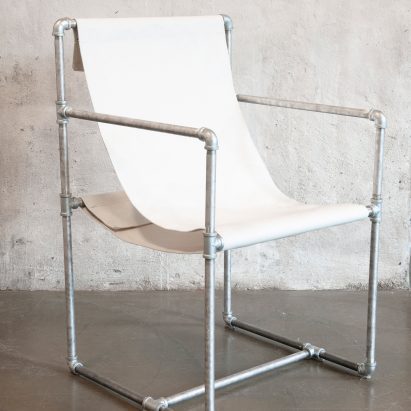
Concordia University students transformed a piece of Montreal's Olympic Stadium history into contemporary design objects during Montreal Design Week. The O-cycle Project, led by designer and instructor Jeremy Petrus, repurposed Kevlar fabric from the stadium's notorious roof into wearables, furniture, and decorative pieces.
The Montreal Olympic Stadium's roof has long troubled the city. The Kevlar material, originally intended to be temporary, degraded over decades and required expensive maintenance. Rather than let it disappear into waste streams, Petrus and his students saw an opportunity to create something new from this abandoned infrastructure.
The project taps into a growing movement within design education: upcycling cultural artifacts into functional objects. By converting industrial-scale materials into intimate, wearable and domestic pieces, the students engaged directly with Montreal's architectural legacy while exploring sustainability in design practice.
This intervention sits within a broader conversation about how cities reckon with failed modernist projects. The Olympic Stadium itself represents a particular moment in Montreal's history, one marked by ambitious infrastructure spending and eventual financial struggle. Rather than simply commemorate or critique that past, the O-cycle Project does something more practical: it extracts usable material and gives it new life in the present.
Design weeks have increasingly become platforms for student work that pushes beyond conventional commercial narratives. Concordia's contribution speaks to how educational institutions can transform local problems into pedagogical opportunities. Students learned material science, manufacturing constraints, and design thinking while working with Kevlar that most would have considered waste.
The exhibition demonstrates that sustainability in design need not be moralistic. By creating desirable objects from reclaimed materials, the students made environmental consciousness feel inevitable rather than imposed.
THE TAKEAWAY: Design education thrives when it engages with real urban problems and transforms them into functional objects that matter.