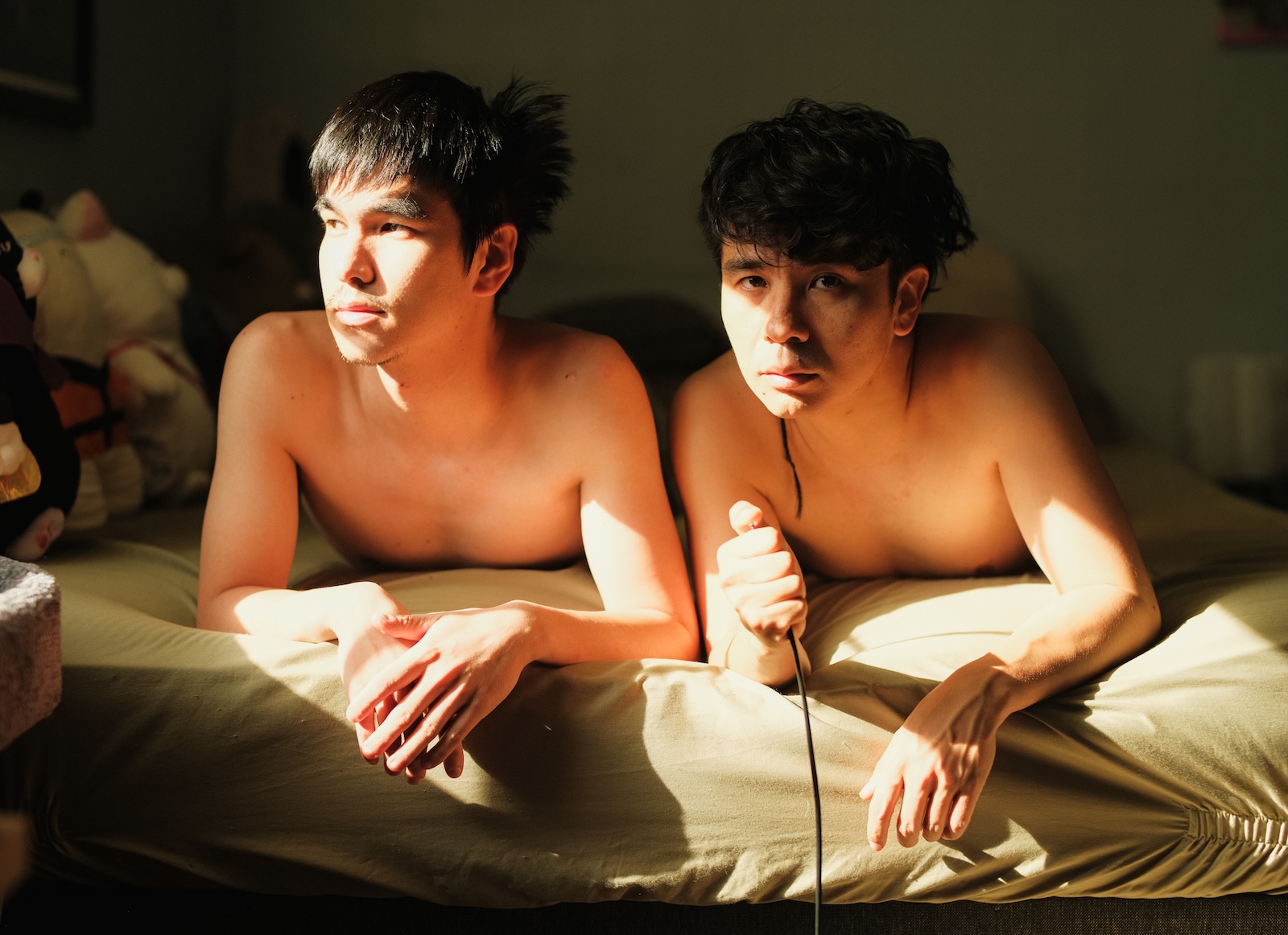
Ocean Vuong, best known for his acclaimed novels "Night Sky with Exit Wounds" and "On Earth We're Briefly Gorgeous," positions photography as his primary creative medium, viewing the camera as a tool of certainty where writing dwells in ambiguity. In a piece for Literary Hub, Vuong articulates a fundamental distinction between his two artistic practices. Writing, he suggests, operates in a realm of doubt and contingency, whereas photography offers what he calls "unanimous affirmation." The camera, despite its technical complexity, delivers definitive visual statements that writing cannot match.
This revelation complicates the prevailing literary narrative around Vuong. The Vietnamese-American author has built his reputation on prose that grapples with identity, trauma, and desire through intricate language and experimental form. His debut collection "Night Sky with Exit Wounds" established him as a significant voice in contemporary American poetry. His sophomore novel "On Earth We're Briefly Gorgeous," written as a letter from a mother to her son, became a bestseller and introduced Vuong to a mainstream readership.
Yet Vuong's insistence on photography's primacy suggests an artist whose relationship to the written word remains fraught despite critical success. The photographer's assertion invites readers to reconsider his literary work not as his definitive artistic expression but as one manifestation of a broader creative practice rooted in visual perception and documentary impulse. This perspective aligns with growing conversations in contemporary literature about genre-crossing and medium-fluidity among writers who refuse singular categorical identity.
Vuong's framing also speaks to larger questions about artistic validation and the hierarchies that privilege certain forms over others. Photography, historically marginalized within fine art institutions, gains theoretical weight through Vuong's philosophical endorsement. His assertion that the camera offers "unanimous affirmation" where prose stumbles in uncertainty suggests not weakness in writing but rather photography's particular capacity for directness.
THE TAKEAWAY: Vuong's privileging of photography over writing reshapes critical understanding of his artistic identity and challenges assumptions about which medium an author considers their truest creative voice.
CATEGORY: