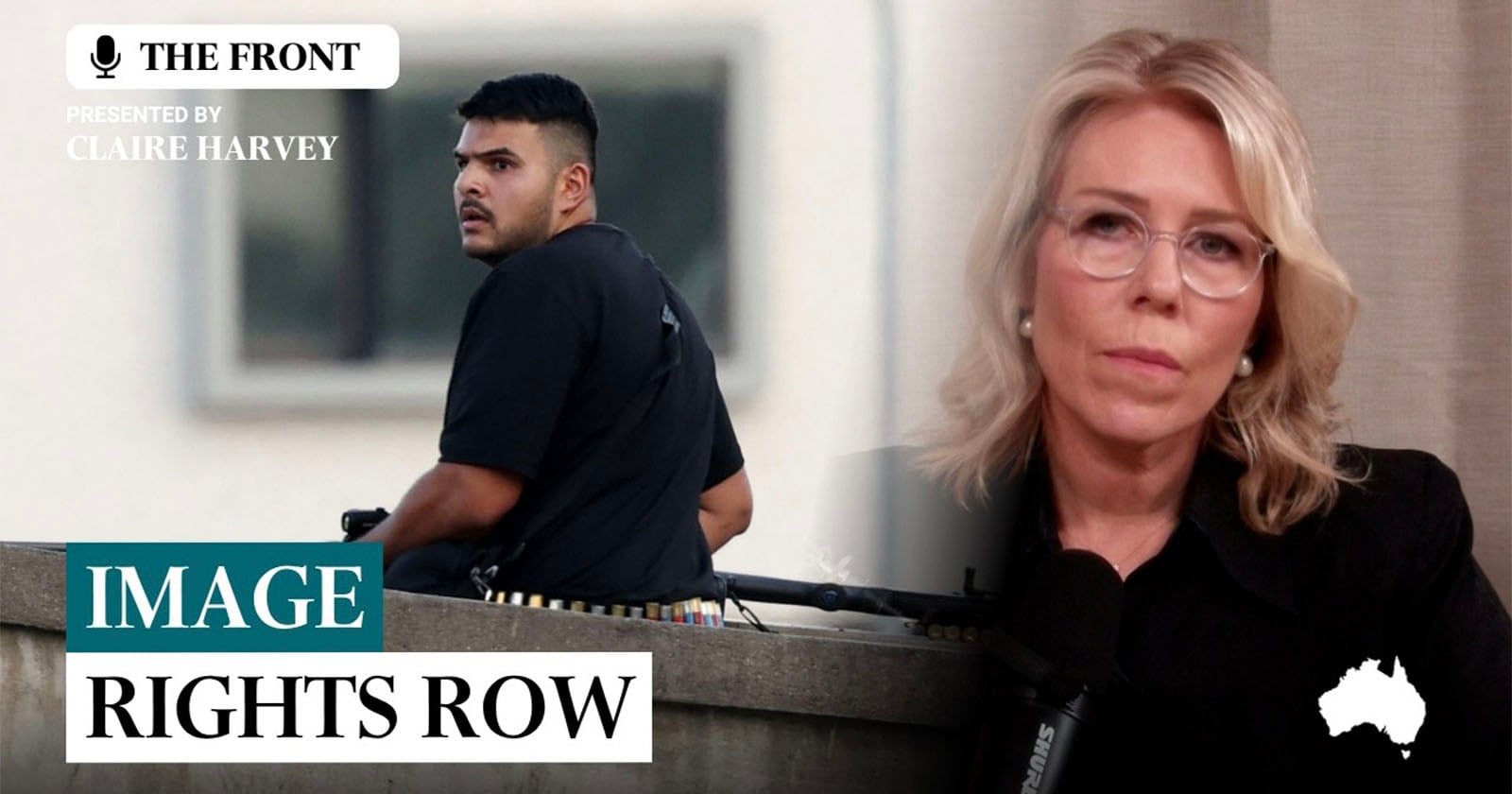
A photographer who documented the deadly Bondi Beach shooting in Australia faces a payment dispute with a major national news service that claims fair use protection. The photographer, who put himself in immediate danger to capture images of the incident, shot photographs during the active shooting situation. The news outlet has refused to compensate him for the use of his images, arguing that fair use allows them to publish his work without payment.
This conflict exposes a persistent tension in modern journalism and photojournalism. News organizations routinely cite fair use doctrine to justify publishing images without licensing fees, while freelance photographers argue they bear the physical and financial risks of gathering breaking news. The photographer's willingness to enter an active crime scene creates an especially sharp ethical question about whether news organizations should exploit that courage without compensation.
Fair use doctrine permits limited use of copyrighted material for purposes including news reporting, criticism, and commentary. News outlets lean heavily on this argument when publishing freelancer work. However, the doctrine requires consideration of whether the use harms the photographer's ability to profit from their own work. A refusal to pay suggests the news service claims the work falls squarely within reportage exemptions.
The Bondi Beach incident, a mass shooting that killed multiple people, generated intense media coverage. The photographer's images likely provided crucial documentation of the event. Yet his contribution goes uncompensated while the news outlet profits from distributing his work to audiences.
This dispute reflects broader industry pressures. News organizations face declining revenue while freelancers struggle to maintain sustainable income. The result pushes more outlets to justify non-payment through legal arguments rather than negotiate fair licensing agreements. Photographers increasingly face choices between refusing to shoot breaking news or accepting the risk that their images will circulate without compensation.
THE BOTTOM LINE: News organizations' reliance on fair use claims undermines the economic viability of freelance photojournalism, particularly when the photographer risked personal safety to gather the images.