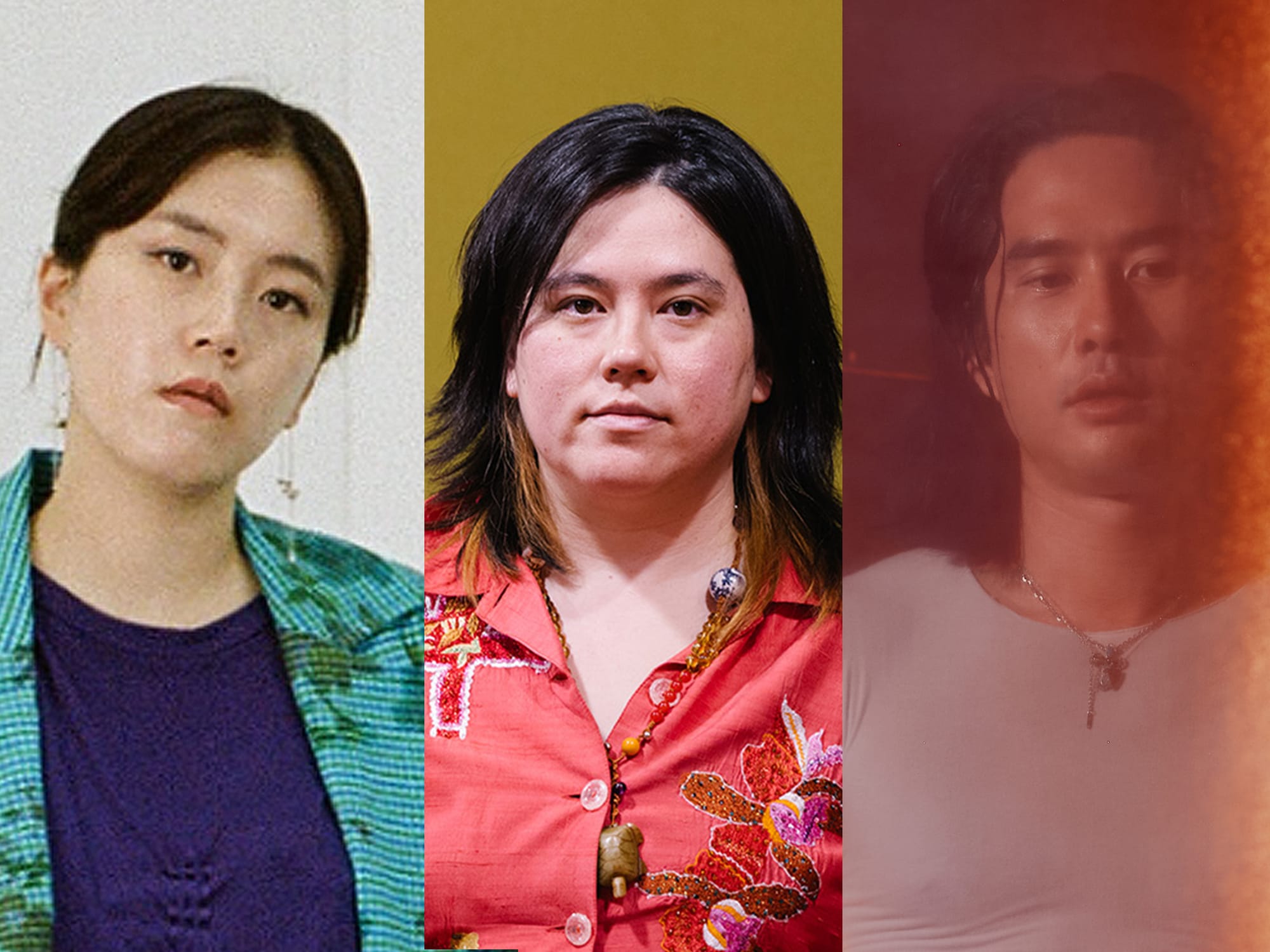
A newly established museum has named its inaugural cohort of artist studio residents, marking an early step in what promises to be an ongoing program of artistic support and institutional patronage. The announcement reflects a broader trend among contemporary art institutions to invest directly in artist development through residency programs that provide both workspace and resources.
Simultaneously, the art world has witnessed a significant gallery shift. The Robert Therrien Estate, representing the work of the sculptor known for oversized domestic objects and installations, has departed representation from the prestigious Gagosian Gallery to join David Zwirner's roster. Such moves signal ongoing competition among mega-galleries for legacy representation and artist estates, particularly when established reputations promise consistent sales and institutional visibility.
Forge Project has also unveiled its 2026 fellows, continuing its commitment to emerging and mid-career artists through structured mentorship and professional development opportunities. These fellowship programs have become central to how galleries and nonprofits cultivate the next generation of practitioners, offering alternatives to traditional gallery representation paths.
The art calendar also captured sartorial attention this season. Frieze, the prestigious London and New York art fair, released its unofficial uniform guidance, a lighthearted but telling indicator of how institutional spaces shape aesthetic codes. Art fairs function as social and commercial theaters, where what collectors and professionals wear carries symbolic weight alongside what they purchase.
Together, these developments illustrate the contemporary art ecosystem's intricate web of institutional support, market competition, and cultural performance. Museum residencies, gallery representation battles, fellowship programs, and the ritualized aesthetics of art fairs constitute the infrastructure that sustains artistic practice at multiple levels. The ecosystem rewards institutional alignment, economic backing, and carefully curated visibility.
IN CONTEXT: Artist residencies and fellowships have become as essential to career development as gallery representation once was.