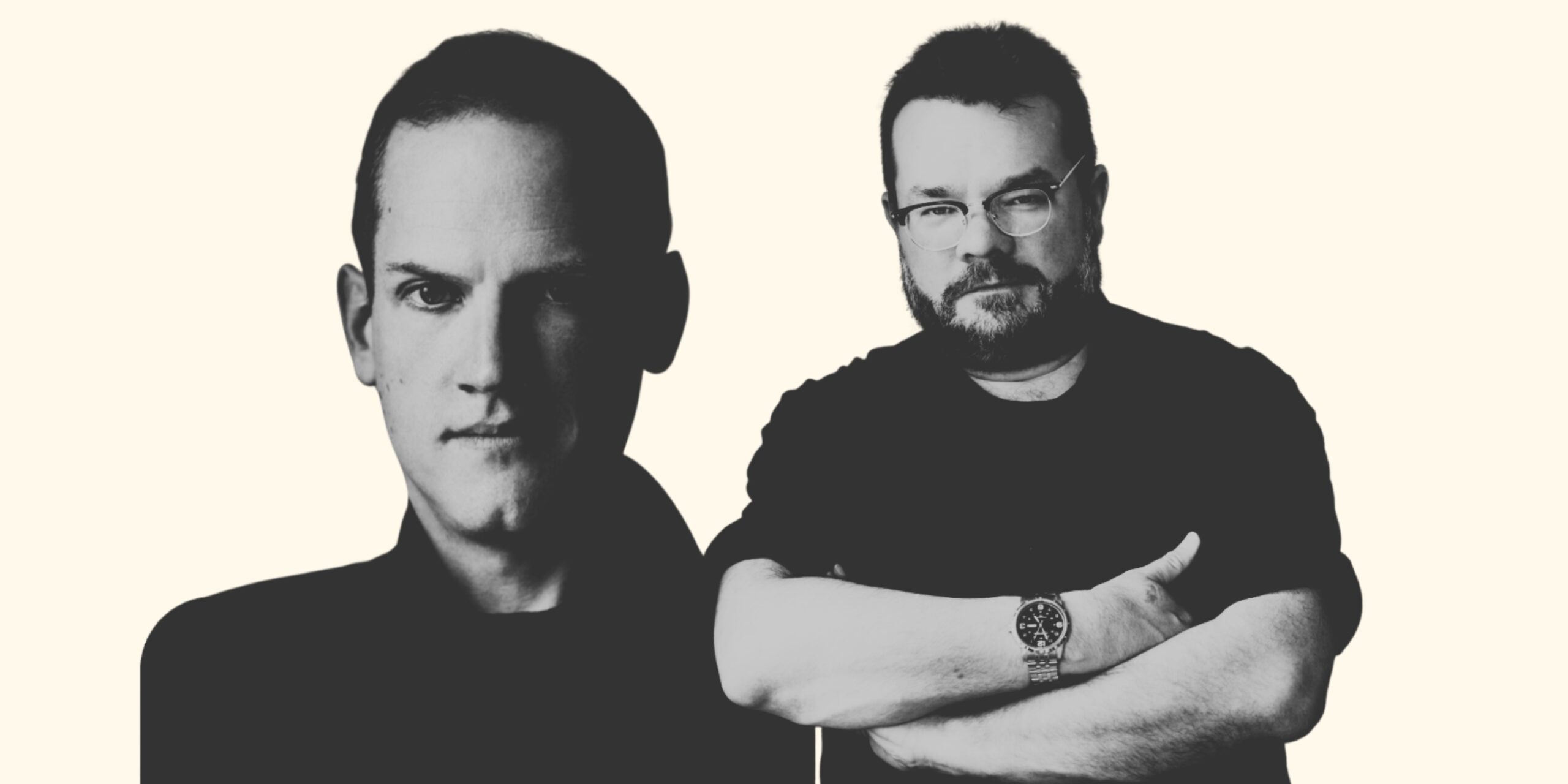
The author of "The Oracle's Daughter: The Rise and Fall of an American Cult" reflects on craft choices made while documenting religious extremism and cult dynamics. Writing about cults demands a different narrative approach than fiction typically allows. The author discovered that explicit exposition outperforms the "show don't tell" axiom that dominates creative writing workshops.
When depicting cult indoctrination, manipulation, and psychological coercion, authorial explanation becomes essential. Readers need context about belief systems, recruitment tactics, and the granular mechanics of how groups isolate members. A cult's power operates partly through obfuscation and coded language. Showing those dynamics through scene alone risks either confusion or unintended sympathy with perpetrators.
The Oracle's Daughter takes a different stance than much literary nonfiction. Rather than immerse readers entirely in subjective experience, the author steps back to provide analysis, historical framework, and interpretive guidance. This directness serves readers better than artistic restraint. It respects the complexity of the subject matter.
The tension between showing and telling has long dominated literary debate. Modernist writers enshrined "show, don't tell" as a cardinal rule. Yet religion and cults operate through stories that demand interrogation. Their power lies partly in narrative itself. A writer cannot faithfully represent such terrain without authorial presence, without occasionally breaking frame to name what's happening.
This approach reflects a growing maturity in narrative nonfiction. Authors like Michelle Orange, Maggie Smith, and others have embraced essayistic intervention alongside immersive reporting. The best cult writing combines intimate scene work with clear-eyed explanation.
"The Oracle's Daughter" demonstrates that telling can be as literary as showing. Authority, clarity, and directness have their own grace.
THE TAKEAWAY: Narrative nonfiction about cults demands authorial explanation over pure immersion, challenging the "show don't tell" orthodoxy that shapes creative writing pedagogy.