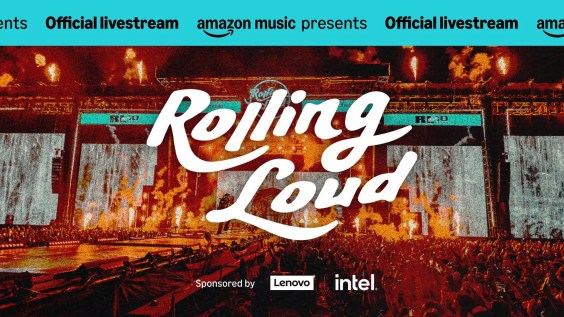
Rolling Loud, hip-hop's most prominent touring festival, has shifted its flagship Florida edition from Miami to Orlando. The move plants the three-day event at Camping World Stadium, a 65,000-capacity venue that will host French footballer Antoine Griezmann's Major League Soccer team when it launches.
The relocation marks a significant pivot for the festival, which spent years cementing Miami's identity as Rolling Loud's home base. The shift reflects broader changes in how major music festivals navigate venue availability, city partnerships, and financial arrangements. Orlando offers different economic incentives and infrastructure than Miami, where venue constraints and rising costs have reshaped the festival landscape over the past five years.
Rolling Loud has expanded dramatically since its 2015 inception. The festival now operates multiple editions across Los Angeles, New York, Portugal, and other markets, with Miami serving as its original touchstone. The move to Orlando doesn't eliminate Rolling Loud's Florida presence entirely, but it repositions the state's premier hip-hop gathering in a market with less saturated festival competition.
The shift also signals changing patterns in how cities attract major entertainment properties. Orlando's investment in music infrastructure, including stadium improvements and hospitality packages, apparently outweighed Miami's established festival reputation. Sports venues increasingly host music events year-round, blurring traditional boundaries between athletic and entertainment programming.
For attendees and the broader hip-hop community, the move creates logistical changes. Orlando sits roughly three hours north of Miami, shifting the festival's geographic center within Florida. The Camping World Stadium's capacity and configuration differ from previous Miami venues, potentially affecting stage design, artist routing, and the overall festival experience that fans have come to expect.
Rolling Loud's decision reflects how major festivals continuously reassess their foundations. While nostalgia attaches to original locations, economic realities and venue opportunities drive these pivots. The Orlando iteration opens a new chapter for the festival while maintaining its position as American hip-hop's largest touring platform.