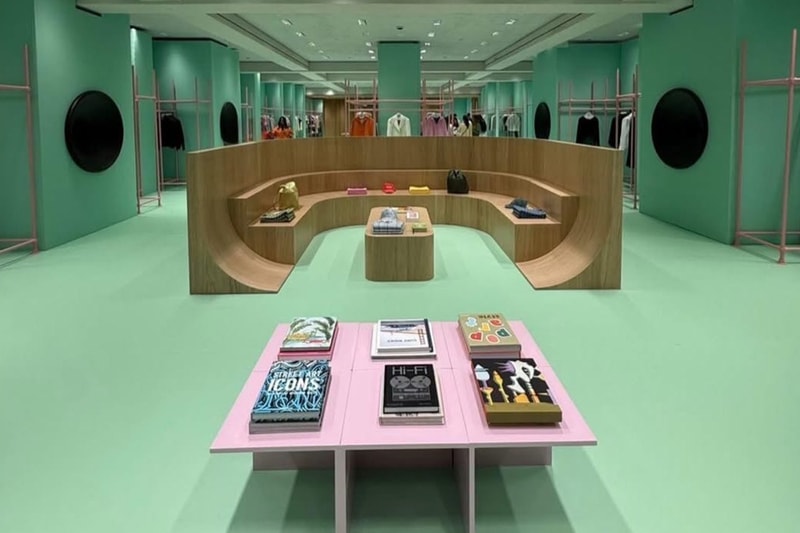
Bad Bunny has partnered with Zara to launch "Benito Antonio," an exclusive clothing collection bearing his birth name. The Spanish retail behemoth announced the collaboration on Instagram, with an exclusive pop-up event debuting this weekend at Plaza Las Américas mall in San Juan, Puerto Rico.
The collection spans casual streetwear staples like hoodies and caps alongside tailored suiting, reflecting the reggaeton superstar's eclectic personal aesthetic. This move positions Bad Bunny within a growing trend of musicians leveraging their cultural cachet to penetrate the fashion market. Artists from Travis Scott to Rihanna have pursued similar collaborations with established retailers, but Bad Bunny's partnership with a mainstream giant like Zara signals his crossover appeal extending well beyond music into lifestyle branding.
The choice to anchor the collection under "Benito Antonio"—his legal name—adds gravitas to the venture. It signals an intentional separation between his artist persona and his fashion identity, granting the collection its own legitimacy within retail spaces. Puerto Rico's positioning as the launch location carries symbolic weight too. Bad Bunny has consistently championed his island heritage throughout his career, and the San Juan debut establishes the collection's roots in his cultural identity rather than treating it as a purely commercial endeavor.
For Zara, the collaboration represents a calculated bet on Bad Bunny's global influence. His 45 million Instagram followers and status as one of the most-streamed artists on Spotify provide immediate visibility. The partnership also allows Zara to capture younger demographics increasingly influenced by music-driven fashion trends.
The collection's range from basics to tailored pieces suggests Bad Bunny and Zara avoided novelty-focused collaboration pitfalls. Rather than limited-edition drops, this appears positioned as a sustainable line within Zara's broader offering. Industry observers will watch whether "Benito Antonio" operates as a permanent sub-brand or phases out after an initial season. Either way, the venture underscores how contemporary pop stardom now demands commercial diversification. Bad Bunny's move into