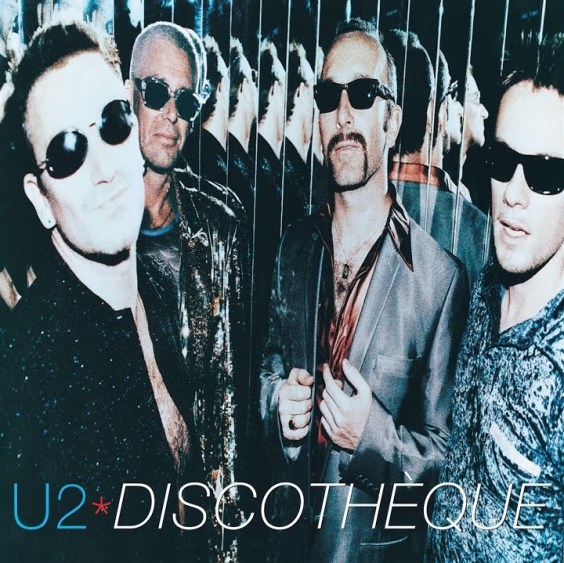
Stereogum's "Alternative Number Ones" column examines U2's "Discothèque," the 1997 dance-pop track that marked the Irish band's bold pivot toward electronic music and club culture. The song appeared on "Pop," the group's experimental tenth studio album, which arrived at a moment when U2 faced pressure to reinvent itself after the massive success of "Achtung Baby" and "Zooropa."
"Discothèque" represents U2 at their most playful and divisive. Produced by Danger Mouse, the track strips away the band's signature atmospheric guitar work in favor of pulsing synths, drum machines, and an almost novelty-pop sensibility. Bono's vocals take on a breezier, more detached quality, matching the song's ironic distance from both earnest rock balladry and genuine club music. The production choices alienated longtime fans who expected the sonic gravitas that defined the band's 1980s output.
The column positions "Discothèque" within the broader context of mid-1990s rock experimentation, when established acts faced the challenge of remaining relevant in an era dominated by Britpop, grunge's decline, and the rise of electronic and dance music. U2 chose to confront these shifts directly rather than retreat into their proven formula. The song's music video, featuring the band in a nightclub setting, doubled down on the club aesthetic and pushed their visual presentation toward playfulness.
Though "Discothèque" never topped the Billboard Hot 100, it generated significant alternative radio play and remains a fascinatingly awkward artifact of U2's willingness to take creative risks. The track reveals a band wrestling with relevance and cultural moment, trading their role as serious rock philosophers for temporary entry into the dance-pop world. "Pop" itself received mixed reviews upon release, but the album's experimental approach, embodied by "Discothèque," has found renewed appreciation among listeners who value artistic ambition over commercial safety.