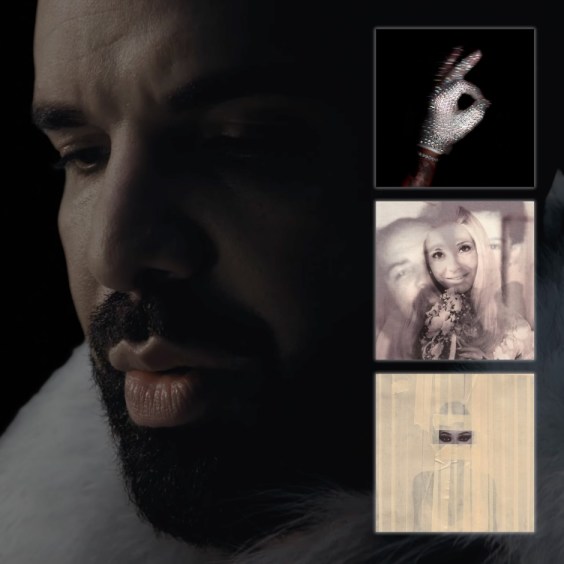
Drake's latest project, "Iceman," confirms what listeners have long suspected: the Toronto rapper remains incapable of genuine self-examination, especially following his public losses to Kendrick Lamar. The album finds Aubrey Graham performing the role he knows best—a man wounded by love, betrayed by women, nursing grievances in luxury apartments—while completely avoiding the humbling reality that much of hip-hop laughed at him.
Stereogum's review captures the essential Drake contradiction. He'll confess to emotional dependency and romantic insecurity whenever it serves his narrative. He'll never, however, acknowledge that the industry witnessed his defeat and moved on. That cognitive dissonance defines "Iceman." Graham constructs elaborate scenarios around his romantic suffering, treating each track as an opportunity for controlled vulnerability on his own schedule. The album operates within the narrow bandwidth he permits himself: the vulnerable wealthy man who blames women for his pain while refusing to examine his own role in the chaos.
What makes this posture particularly resistant is its foundational dishonesty. Drake has built an empire on selective honesty. He shares the parts of his psyche that flatter him—the sensitivity, the wounded romantic—while cordoning off anything that threatens his mythology. A genuine accounting of the Lamar defeats would require acknowledging that he miscalculated, that his technical skills failed him when they mattered most, that the culture moved forward without waiting for his response. Such introspection would undermine the "Iceman" project entirely.
The album title itself suggests a kind of emotional armor, yet the music inside contradicts that premise. Graham remains warm, needy, and painfully self-focused. "Maid of Honour" and "Habibti" continue the pattern: women trouble the waters around his empire, and he responds not with growth but with restated victimhood.
This formula has generated billions of streams and commercial dominance. Whether it can sustain artistic relevance remains another question entirely.