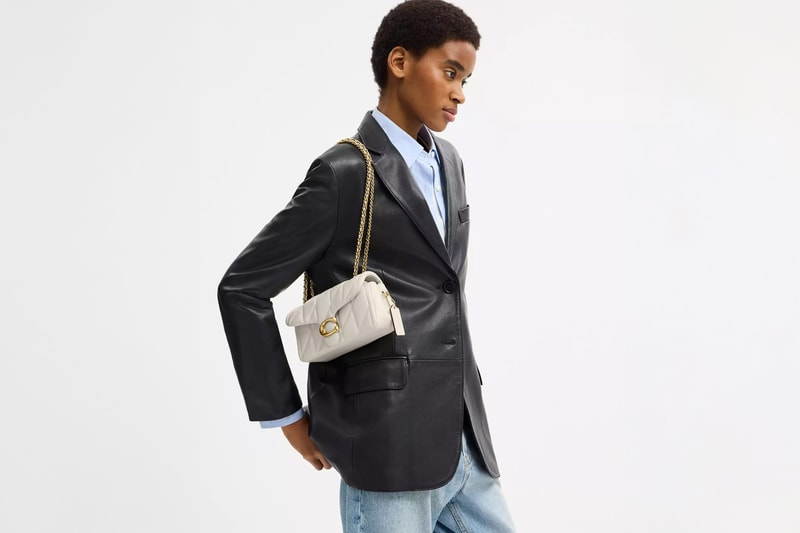
Coach's latest lineup of handbags captures the fragmented aesthetic sensibility defining contemporary fashion. Rather than adhering to a single coherent style, today's dresser layers disparate references, mixing vintage elements with quiet luxury signaling and downtown practicality. The brand's Tabby, Brooklyn, Nolita 19, and Teri each address different facets of this multiplicitous approach to personal presentation.
The Tabby appeals to fashion-forward consumers who view accessories as vehicles for self-expression, while the Brooklyn serves minimalists gravitating toward relaxed denim, loafers, and understated basics. The Nolita 19 and Teri simultaneously tackle the contemporary demand for versatility, marrying polish with practicality and nostalgic references. This segmentation reflects how luxury and accessible brands now position themselves not as architects of cohesive aesthetics but as facilitators of individual curation.
Coach's strategy aligns with broader industry shifts away from top-down style dictates. The rise of social media platforms emphasizing personal experimentation has obliterated gatekeeping authority once held by traditional fashion magazines and designers. Consumers now assemble wardrobes from contradictory sources, blending Y2K nostalgia with contemporary minimalism without perceiving contradiction. A single outfit might feature vintage band tees alongside tailored trousers, a pattern Coach recognizes through its diverse handbag offerings.
The brand's multi-bag approach acknowledges that contemporary personal style functions less as commitment than as conversation between different moods, occasions, and influences. Rather than purchasing one definitive piece, today's consumers rotate among options reflecting their fluctuating identity investments. Coach's success hinges on understanding that modern dressing rewards fluidity over consistency, making the question not which aesthetic one embodies but which aesthetic one performs on any given day.