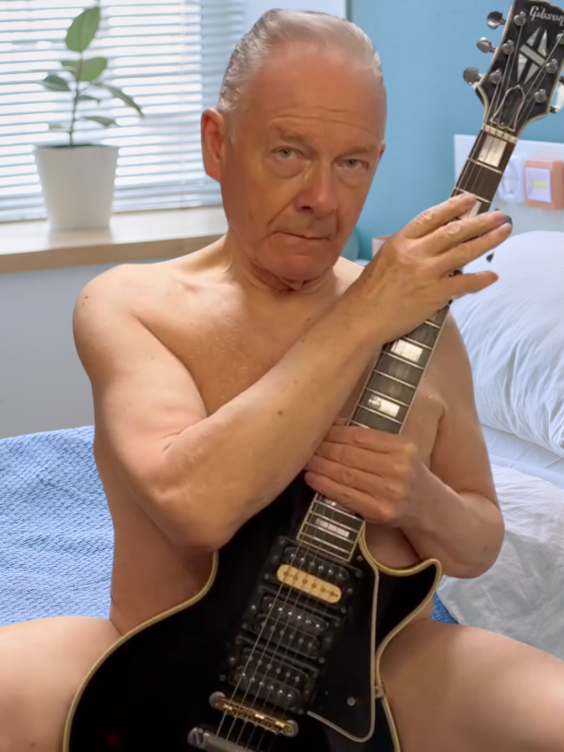
Robert Fripp, the 80-year-old guitarist and founder of King Crimson, has recovered remarkably well from a heart attack suffered last year, returning to live performance last month at Church of Sant'Alessandro Martire in Italy. Yet the progressive rock pioneer remains puzzled by one aspect of his hospital care.
During his treatment, medical staff shaved his testicles without explaining the reason to him. Fripp has publicly expressed confusion about the procedure, a detail that speaks to both the peculiar indignities of hospitalization and the gaps that sometimes emerge between medical necessity and patient communication.
The recovery itself marks a genuine victory. At an age when many musicians have long retired, Fripp demonstrated the physical resilience to return to performing complex, technically demanding music. King Crimson's guitar work requires precision and stamina. The fact that he could manage it after cardiac trauma speaks to either exceptional health or exceptional determination, likely both.
The unexplained shaving incident, trivial as it might seem in the grand scheme of a cardiac event, highlights a recurring problem in hospital settings. Standard medical protocols often go unexamined by patients, and staff sometimes fail to explain why certain procedures occur. Pre-surgical prep routines frequently include shaving to reduce infection risk, but the specifics of application and scope can vary. Whether Fripp's case involved routine protocol or unusual necessity remains unclear from his account.
The guitarist's willingness to discuss the oddity publicly adds a human touch to medical narratives that typically focus on the dramatic moment of crisis rather than the smaller, stranger moments of recovery. Fripp's continued puzzlement suggests he never received a satisfactory explanation, a minor but telling reminder that even world-class healthcare often involves communication failures alongside clinical success.