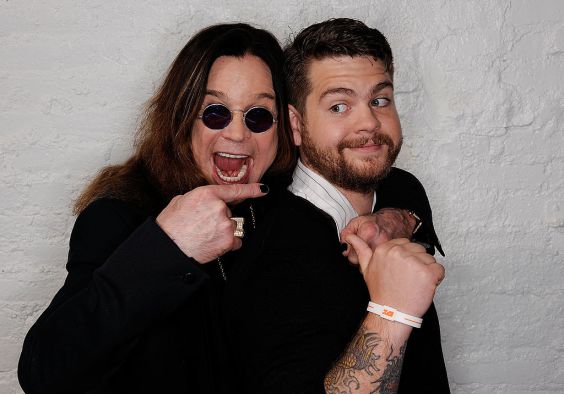
Jack Osbourne has stepped forward to defend the family's controversial plan to create an interactive AI hologram of his late father, Ozzy Osbourne. The rock legend's son told skeptics that his father would have embraced the technology.
Last week, Sharon Osbourne, Ozzy's widow, announced that the family intends to develop a hologram version of the Black Sabbath frontman that audiences can interact with directly. The AI will respond to questions in Ozzy's own voice, purportedly mimicking the answers he would have given during his lifetime. Sharon stated the hologram would tour worldwide, allowing fans to converse with a digital recreation of the musician who died in February 2024 at age 81.
The announcement has drawn considerable pushback from critics and fans who question the ethics of creating an AI replica of a deceased artist without full consent. Jack Osbourne countered this resistance by insisting his father's known personality and attitudes support the project. He emphasized that Ozzy, known for his willingness to embrace novel and unconventional ideas, would likely have found the technology fascinating rather than objectionable.
The Osbourne family has faced scrutiny before over posthumous projects involving Ozzy's image and legacy. This hologram venture, however, represents a more ambitious technological undertaking. It positions the Osbourne brand at the intersection of celebrity, artificial intelligence, and entertainment infrastructure. The project raises broader questions about how the music industry will handle the estates of deceased performers in the age of generative AI.
The hologram announcement reflects an increasingly common practice among entertainment camps seeking to extend the commercial lives of iconic figures. Whether Jack Osbourne's assurance that his father would approve resolves audience concerns remains uncertain. The tension between innovation and respect for the deceased continues to define how families and estates navigate digital legacy projects.