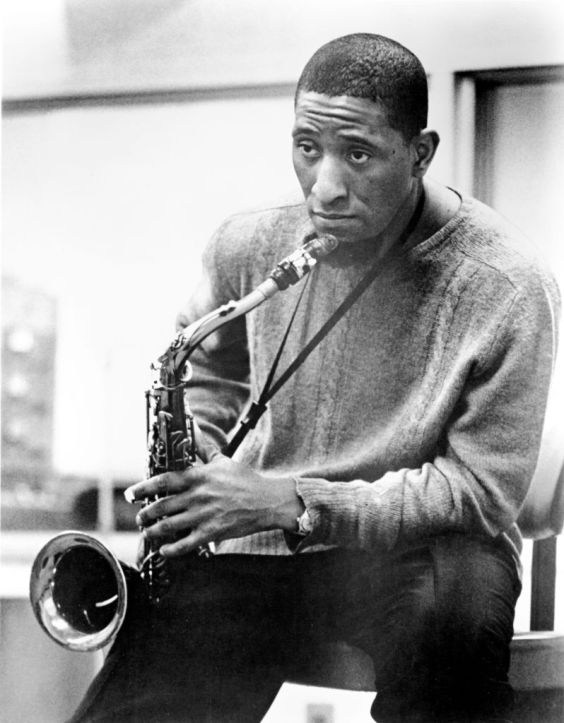
Sonny Rollins, the tenor saxophonist who defined the sound of modern jazz and shaped the instrument's artistic possibilities across seven decades, died Monday at his home in Woodstock, New York. He was 95.
Rollins commanded a position of unparalleled influence in jazz history. His technical mastery combined with compositional innovation created a body of work that fundamentally altered how musicians approached the saxophone. Albums like "Saxophone Colossus" cemented his status as one of jazz's towering figures, ranking alongside Miles Davis and John Coltrane in terms of impact and longevity.
Born in 1930 in New York City, Rollins emerged during the bebop revolution but quickly transcended it. His improvisational approach balanced accessibility with intellectual rigor. The thematic development in his solos set standards that younger musicians adopted wholesale. His ability to sustain melodic lines over complex harmonies made even difficult material sound inevitable and natural.
Beyond his recordings, Rollins represented artistic integrity in jazz. He took a hiatus from performing in the late 1950s to woodshed and refine his craft, a decision that reinforced his reputation as a musician uncompromising in pursuit of excellence. Later he would retreat to Woodstock, his adopted home, seeking solitude and continued artistic growth.
Rollins recorded prolifically across multiple decades. His discography spans from his first major sessions in the early 1950s through contemporary collaborations well into his 80s. This sustained creative output distinguished him from peers who faded or repeated themselves. Jazz institutions and younger musicians consistently cited Rollins as foundational to their understanding of the tradition.
His death marks the end of an era in jazz history. The first generation of major bebop innovators has now largely departed. Rollins leaves behind a recorded legacy that remains essential listening for understanding how the saxophone evolved as a modern instrument. His influence extends far beyond jazz devotees into the broader landscape of improvised music and artistic practice.