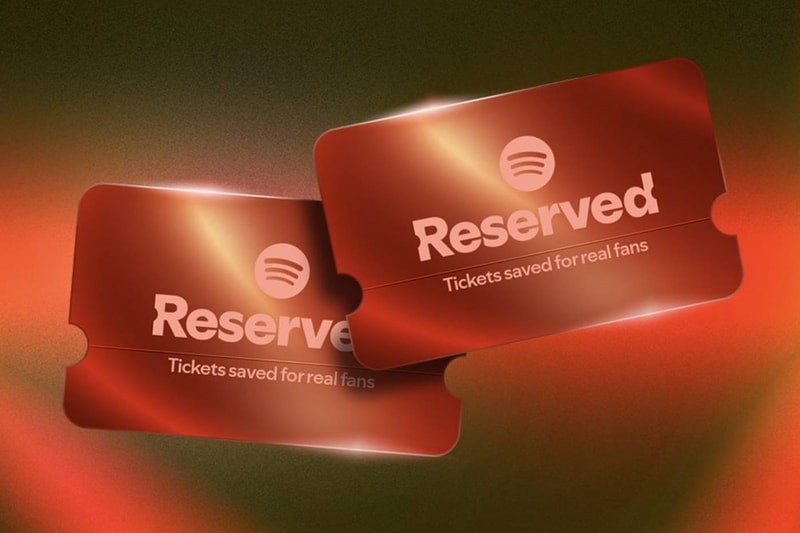
Spotify launches Reserved, a concert ticketing feature that monetizes fan data in a new way. The streaming platform will hold concert tickets in a dedicated 24-hour presale window for its most engaged listeners, using streaming history and share activity to identify "superfans" of particular artists.
Premium subscribers in the US qualify automatically based on their listening patterns. Spotify allocates up to two tickets per person for eligible shows. The company charges no extra fees on Reserved tickets, undercutting traditional resale markets and third-party brokers.
The program rolls out this summer for select artists and tours, with expansion planned across all venue sizes. Spotify positions Reserved as a solution to concert ticketing's chronic problems. Bot purchases, reseller markup, and venue blackout policies frustrate both fans and artists. By anchoring access to actual listening behavior rather than speed-click advantage, Spotify promises fairer distribution.
Yet the feature exposes a tension in platform capitalism. Spotify already captures intimate data about what users hear, when they hear it, and how they share music. Reserved converts that surveillance into commercial advantage. Superfans get early access. Others face standard sale timings. The data that defined your taste becomes the infrastructure determining your concert access.
Spotify acknowledges that demand will vastly outpace supply. Most qualifying listeners will not secure tickets even in the reserved window. The feature solves nothing for casual fans or those with unpopular tastes. It rewards the listeners Spotify can most easily track and monetize.
The announcement reflects broader shifts in music industry economics. Streaming platforms no longer simply distribute recorded music. They now shape live entertainment access, ticketing, and venue economics. Spotify joins Live Nation and Ticketmaster in controlling fan pathways. For artists, Reserved offers direct fan engagement data without reseller intermediaries. For Spotify, Reserved deepens user dependency and justifies Premium subscriptions beyond audio quality improvements.
Whether Reserved reduces reseller inflation remains uncertain. Secondary markets may absorb tickets released after the 24-hour window closes. But the feature signals Spotify's ambitions to become essential infrastructure across music discovery, consumption, and