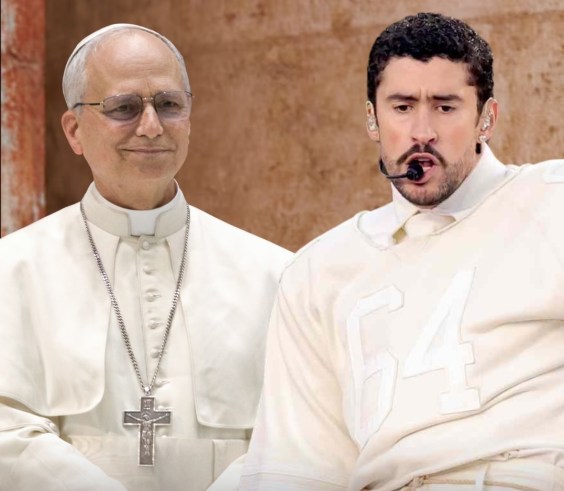
Bad Bunny sat down with Pope Leo XIV on Monday, bringing together two of the world's most recognizable figures. The reggaeton superstar and the pontiff met in what marks a notable intersection of pop culture and religious leadership. Both command massive global audiences and have become lightning rods for criticism from conservative political figures across multiple continents.
The meeting carries symbolic weight in contemporary culture. Bad Bunny, born Benito Antonio Martínez Ocasio, has built his career on music that challenges social norms and addresses political themes. His advocacy for LGBTQ+ rights, racial justice, and workers' issues has made him a polarizing figure among right-wing commentators. Pope Leo XIV, leading the Catholic Church through a period of modernization and social engagement, has similarly drawn backlash from traditionalist corners of the church and conservative media for his emphasis on poverty, environmental concerns, and inclusive theology.
The encounter between these two cultural forces suggests a growing alignment between progressive religious leadership and mainstream entertainment. Neither figure has shied away from controversial stances. Bad Bunny's music videos regularly incorporate social commentary, while Pope Leo XIV has used his platform to challenge wealth inequality and advocate for migrants' rights.
The meeting also underscores how the modern papacy operates within celebrity and media culture. Unlike previous popes, Leo XIV engages with contemporary figures across entertainment, sports, and activism. This approach reflects attempts by the church to remain relevant to younger audiences increasingly alienated from organized religion.
The convergence of these two influential personalities highlights shifting cultural dynamics. As traditional institutions face declining influence among millennials and Gen Z, both Bad Bunny and the Pope represent alternative forms of authority and moral leadership that resonate with audiences skeptical of conventional power structures. Their meeting symbolizes how the boundaries between sacred and secular, entertainment and spirituality, continue to blur in modern society.