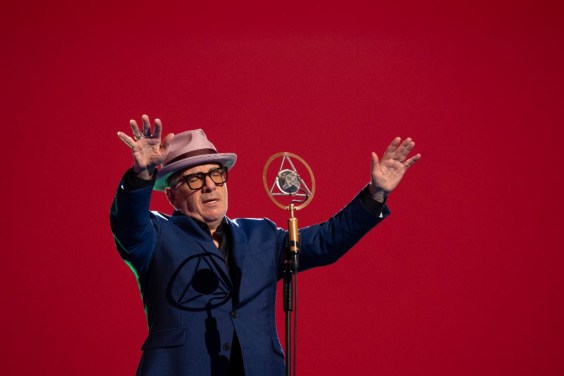
Elvis Costello has never been one to hold his tongue, and that unfiltered approach continues to define his public persona decades into his career. The punk rock elder statesman recently took aim at Oasis, the British rock icons whose reunion has dominated headlines, while simultaneously defending Olivia, presumably in reference to a contemporary figure or dispute within the music world.
Costello's willingness to speak bluntly has long been a double-edged sword. His career includes notorious incidents like his 1977 ban from Saturday Night Live and decades-old racist remarks about Ray Charles that still haunt him. Yet time and institutional acceptance have softened his image. He recently performed one of his songs with Stephen Colbert on the Late Show host's final broadcast, a moment that underscores his transformation from provocateur to rock establishment figure.
The comments about Oasis fit Costello's pattern of refusing deference to sacred cows in rock history. The Manchester band's reunion tour has been the year's biggest music story, commanding cultural oxygen and financial resources. Costello's criticism cuts against the prevailing sentiment of reverence surrounding Noel and Liam Gallagher's reconciliation.
His defense of Olivia, whatever the specific context, suggests Costello remains willing to challenge consensus opinion and defend artists or figures facing criticism. This stance positions him as an independent voice in an industry often governed by careful public relations and calculated statements.
At this stage of his career, Costello inhabits an unusual space. He occupies the establishment while maintaining outsider credibility through continued willingness to speak provocatively. Whether audiences view this as integrity or inconsistency likely depends on their perspective. What remains constant is Costello's refusal to perform the role of respectable elder statesman, even as he's increasingly invited into those circles.