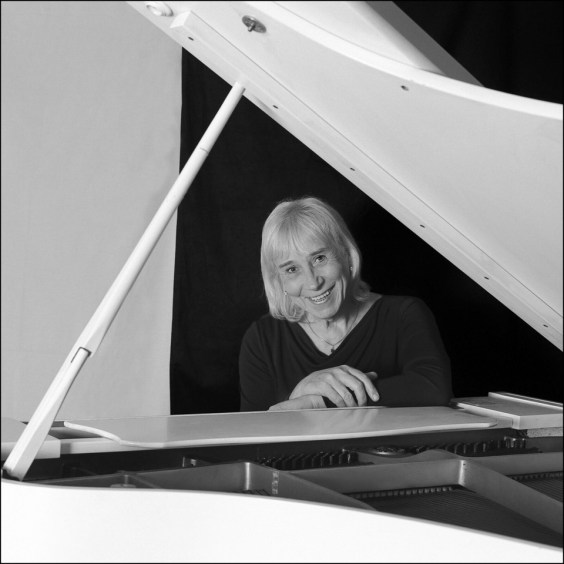
Dee Palmer, the keyboardist and arranger who shaped the orchestral sound of Jethro Tull during the progressive rock band's most experimental period, died at 88 at her home in Shropshire. Ian Anderson, Jethro Tull's frontman, announced her death following a long illness.
Palmer joined Jethro Tull in the 1970s and became essential to the band's evolution from blues-rock toward the complex, classically-informed arrangements that defined albums like "Aqualung" and "Thick as a Brick." Her work on keyboards and orchestration proved instrumental in the band's shift toward progressive rock sophistication, lending the group's sound the chamber music qualities that earned them devoted fans across generations.
Born in 1937, Palmer brought formal musical training and compositional expertise to Jethro Tull's studio work and live performances. She contributed arrangements that elevated Anderson's flute-driven compositions into lush, multi-layered pieces. Her tenure with the group coincided with their most prolific creative period, when they dominated progressive rock radio and concert venues worldwide.
Beyond her work with Jethro Tull, Palmer maintained an active career as a composer and session musician, collaborating across multiple genres and recording projects. Her influence extended beyond the band itself, as her orchestral sensibilities influenced how rock bands approached string arrangements and classical instrumentation throughout the 1970s and 1980s.
The progressive rock community mourned her loss as the passing of a foundational figure in the genre's development. Palmer's contributions helped establish Jethro Tull as more than a rock outfit, positioning them as serious composers working within both popular and classical traditions. Her arrangements remain part of the band's enduring legacy, captured in recordings that continue to introduce new listeners to her distinctive musical vision.