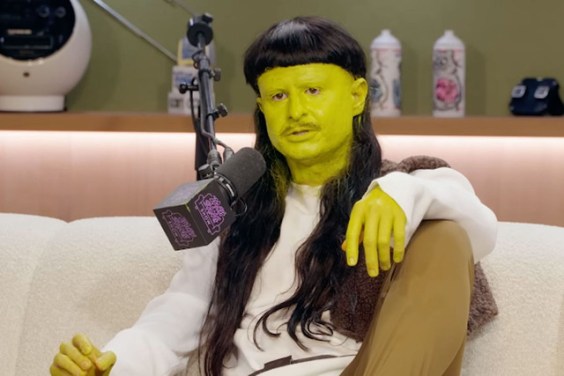
Oliver Tree, the "Alien Boy" singer, died yesterday in a helicopter collision along with five others. Hours after news of his death broke, a clip resurfaced from an April interview with podcast host Zach Sang in which Tree discussed his will and an arts foundation he established. The timing struck observers as haunting.
Tree, 32, had detailed plans for his legacy during the conversation. He spoke about the foundation he created and expressed hopes that it would persist and thrive long after his own death. The interview footage circulated rapidly across social media following the confirmation of the accident, creating an uncanny synchronicity between Tree's forward-thinking remarks about mortality and his sudden passing.
The resurfaced clip illustrates how artists sometimes contemplate their legacies and lasting impact in ways that can feel prescient in hindsight. Tree's commitment to establishing an institutional framework for supporting the arts suggested a musician thinking beyond his immediate career and considering how his influence might endure. That institutional framework now takes on added weight as fans and the music industry process his unexpected death.
The helicopter collision represents a tragedy that claimed multiple lives. Tree had built a notable career marked by theatrical performances and genre-bending music. His willingness to discuss estate planning and charitable giving in a public forum reflected a maturity often absent from celebrity conversations, even as such discussions can feel uncomfortable or premature when examined after a person's death.
The juxtaposition of Tree's measured reflections on mortality with the sudden reality of his passing demonstrates how fragile the assumptions underlying long-term planning can be. His arts foundation now represents one of the primary ways his vision and values will continue forward, giving concrete form to the intentions he articulated just months before his death.