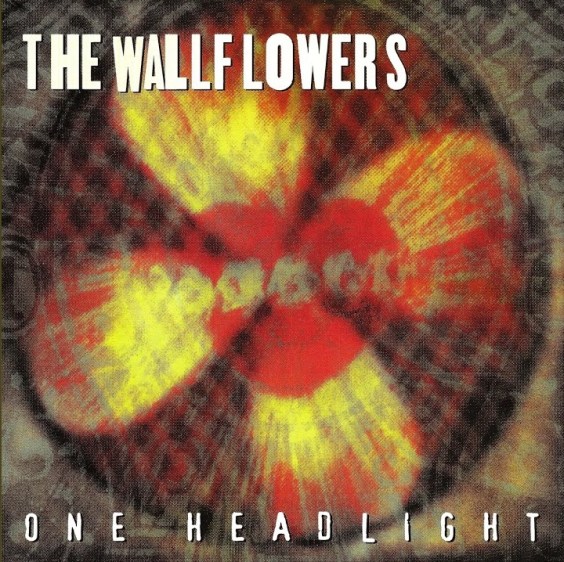
The Wallflowers' "One Headlight" occupies a peculiar space in 1990s rock history. Released in 1996 from the album "Bringing Down the Horse," the song became a defining anthem of alternative rock radio, yet it never topped the Billboard Hot 100, despite its ubiquity and cultural penetration. The track's absence from the commercial summit makes it a perfect subject for examination within alternative rock's relationship to mainstream success.
Jakob Dylan's band crafted something distinctly American with "One Headlight." The song blends folk-rock sensibilities with contemporary alternative production, creating a narrative-driven ballad that resonated across demographic lines. Its protagonist navigates loss and longing against a sparse, acoustic-driven arrangement that builds into fuller instrumentation. The famous opening line and recurring metaphor about driving with one functioning headlight became instantly recognizable shorthand for the band.
The song's chart performance reflects a broader truth about alternative rock in the mid-1990s. Alternative radio embraced "One Headlight" enthusiastically, making it a staple of MTV rotation and rock radio playlists nationwide. The Wallflowers themselves became fixtures of the era's rock hierarchy. Yet the song's failure to secure a number-one pop chart position speaks to the persistent division between alternative and mainstream commercial charts during this period.
"One Headlight" remains relevant partly because it captured something genuine about 1990s alienation and small-town American experience. The song's emotional directness, combined with Dylan's understated vocal delivery, offered an alternative to both the aggression of grunge and the slickness of contemporary pop-rock. It proved that alternative rock could be introspective and literate without sacrificing accessibility.
Stereogum's examination of "One Headlight" as an "Alternative Number One" acknowledges the song's actual cultural dominance, even if Billboard's metrics told a different story. The track's legacy demonstrates how chart positions sometimes fail to capture a song's true reach and influence within rock culture.