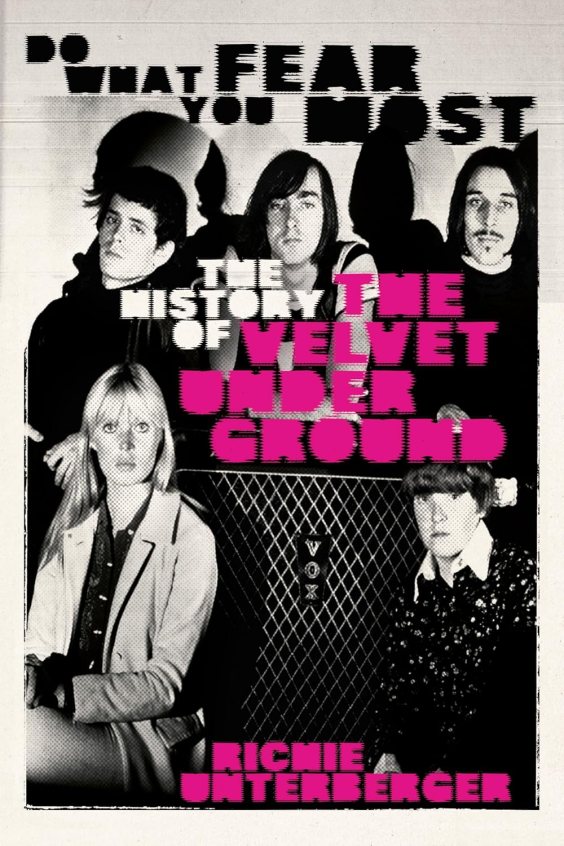
Richie Unterberger's new Velvet Underground history "Do What You Fear The Most" debuts this week with a discovery that will captivate devotees of the legendary New York band. The book reveals a previously unknown song from the group's catalog, a find that underscores how much material still remains to be uncovered from one of rock's most influential acts.
Unterberger, an established music historian, brings meticulous research to the Velvet Underground's sprawling archive. The band, fronted by Lou Reed and featuring John Cale, Sterling Morrison, and Maureen Tucker, recorded prolifically across their brief but transformative existence from 1964 to 1973. Yet vast quantities of demos, rehearsals, and studio recordings remain scattered across archives and private collections.
The discovery arrives amid renewed scholarly interest in the band's deeper catalogue. Previous excavations have yielded rarities like the "Sister Ray" alternate takes and various demos that expanded understanding of their creative process. Reed's meticulous documentation of sessions, combined with the group's experimental ethos, created a rich repository for researchers willing to dig.
"Do What You Fear The Most" joins a lineage of comprehensive VU studies stretching back decades. Unterberger's access to primary sources and archival materials positions this book as a significant addition to the band's historiography. The title itself evokes the Velvet Underground's fearless aesthetic, their willingness to tackle taboo subjects and push sonic boundaries that defined proto-punk and art rock.
For collectors and scholars, the revelation of unreleased material carries particular weight. The Velvet Underground's influence on subsequent generations remains undiminished, from punk bands to contemporary art-rock practitioners who continue citing their innovation. Each newly discovered recording adds texture to their legacy, revealing the extent of their output beyond the canonical albums.
Unterberger's book arrives as the Velvet Underground remains a permanent fixture in critical conversations about 20th-century music. The previously unknown song represents more than a curiosity. It serves as reminder that foundational artists continue yielding secrets, rew