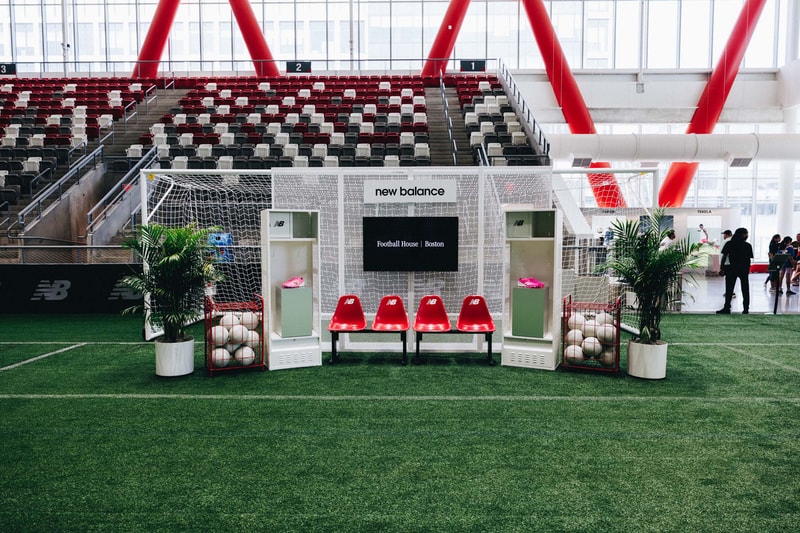
New Balance has positioned itself at the intersection of premium lifestyle footwear and elite soccer culture, transforming its Boston headquarters into a laboratory where performance engineering meets streetwear aesthetics. The sportswear giant granted exclusive access to its campus, revealing the infrastructure behind its expansion into global soccer and street culture.
The facility houses an ultimate sneaker archive alongside World Cup boot testing operations. This dual focus reflects New Balance's strategic pivot beyond its traditional runner heritage. The brand now operates as what executives frame as the epicenter of both athletic performance and cultural influence, with meticulous attention to how data informs design decisions.
The Boston headquarters showcases the collision between high-performance engineering and high-fashion aesthetics. Technical development teams work alongside design studios, suggesting New Balance has learned from competitors like Nike and Adidas that modern athletic brands must operate simultaneously in performance and lifestyle spheres. The scale of the operation underscores the company's commitment to soccer specifically, a market where New Balance historically lagged but now aggressively pursues through infrastructure investment and athlete partnerships.
This behind-the-scenes access reveals how contemporary sportswear houses justify premium pricing through visible R&D capabilities and archival depth. The combination of a comprehensive sneaker vault with active World Cup testing laboratories positions New Balance not merely as a manufacturer but as a cultural custodian. The brand's ambition extends beyond creating individual products to shaping narratives around athletic innovation and street legitimacy.
New Balance's headquarters tour functions as brand storytelling at its most sophisticated level. By opening its archives and testing facilities to media, the company controls how consumers perceive its technical expertise and cultural relevance. The strategy works particularly well for a brand rebuilding its image after decades as a prosaic athletic institution, transforming that heritage into streetwear credibility.