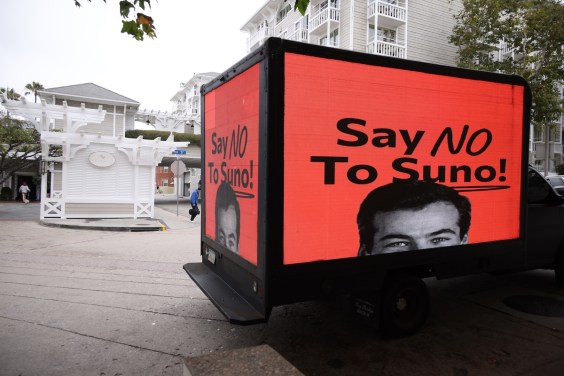
Suno, the $5.4 billion AI music generation platform, launched an indie incubator program with contractual terms that silence participant criticism. The fine print requires artists to actively promote Suno while forbidding any public disparagement of the company.
The move arrives amid mounting hostility toward generative AI in music. SZA recently called out the technology for exploiting Black artists, joining a growing chorus of musicians questioning whether AI training on copyrighted material constitutes consent. The Recording Industry Association of America has pursued legal action against AI music platforms. Artists across genres fear job displacement and loss of control over their work.
Suno's incubator appears designed to build goodwill with independent musicians while simultaneously controlling their speech. By conditioning financial support on promotional obligations and silence clauses, the company erects barriers against internal dissent. Artists who accept the terms cannot publicly criticize Suno's practices, ethics, or business model without breach of contract. They become de facto brand ambassadors with muzzled voices.
The strategy echoes tactics used in other industries. Tech companies regularly include non-disparagement clauses in settlement agreements. Gaming studios use influencer partnerships with similar restrictions. What distinguishes Suno's approach is the explicit pairing of opportunity and silence within a single program. The company dangles support for struggling indie musicians while demanding they become promotional assets.
This structure reveals the tension at the heart of generative AI's expansion into creative fields. Platforms cannot simultaneously claim legitimacy within artistic communities while suppressing artistic critique. An incubator built on silencing participants is not a fellowship for artists. It is a public relations instrument wrapped in development grants.
Musicians face a familiar choice: economic participation or creative integrity. Few can afford to reject Suno's support on principle. Yet accepting it means surrendering the right to honest discourse about AI's impact on their industry. The company profits whether artists speak or stay silent. Either way, their voice becomes Suno's asset.