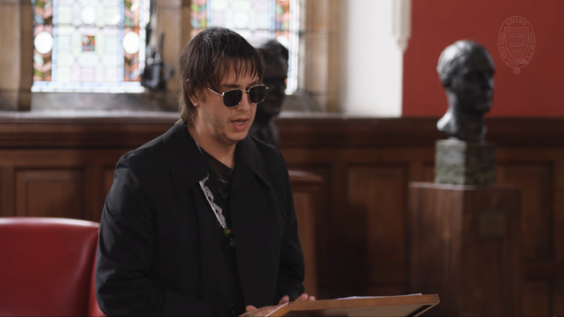
Julian Casablancas has doubled down on controversial remarks about Zionism. The Strokes frontman, who sparked debate in April when he told SubwayTakes host Kareem Rahma that "American Zionists get the benefits of white privileged people but talk like they are Black people during slavery," elaborated on those comments during a recent Oxford Union speech.
Casablancas' April statement ignited immediate backlash across social media and music industry circles. The comparison drew criticism from Jewish organizations and supporters of Israel, who characterized the remarks as inflammatory and reductive. However, Casablancas chose to expand rather than retract, using the Oxford platform to develop his argument further.
The Strokes have long positioned themselves outside mainstream commercial pop, and Casablancas has cultivated a public persona as an artist willing to provoke. His political commentary spans decades, from early 2000s anti-war statements to more recent interventions on wealth inequality and identity politics. The Oxford Union appearance suggests he views the Zionism controversy as consistent with his broader critique of power dynamics and privilege.
The comments have tested the patience of longtime fans and industry figures alike. Some defended Casablancas' right to engage provocative political speech, framing the backlash as censorship. Others argued the framing was both historically inaccurate and dismissive of legitimate concerns about antisemitism.
Casablancas' willingness to elaborate at Oxford rather than move past the controversy reflects a particular strain of rock-star activism. Whether his approach generates productive dialogue or further entrenchment remains unclear. What is clear: the Strokes frontman continues operating from the conviction that artists should speak their minds, consequences included.