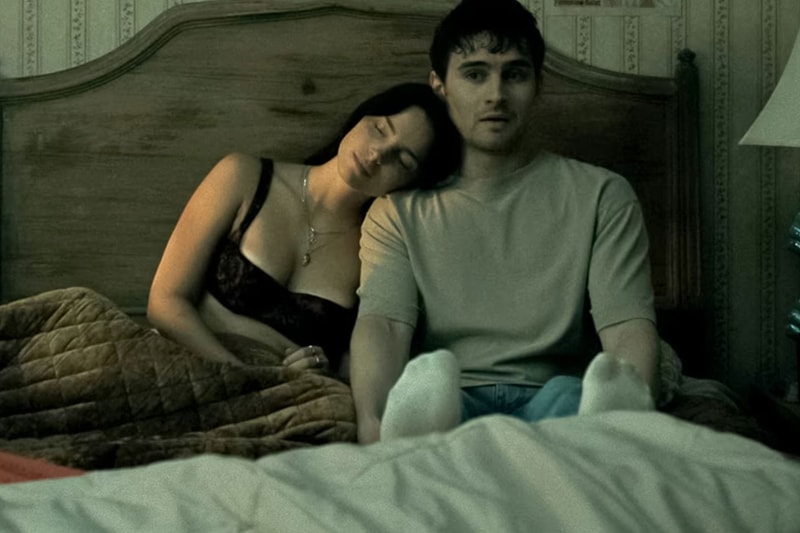
Indie horror film "Obsession" has become a historic box office juggernaut, surpassing $400 million globally in its eighth week of release. The film, produced by Focus Features for a mere $750,000, represents an unprecedented financial victory for micro-budget filmmaking.
Director Curry Barker, a former YouTuber, orchestrated this phenomenon with a lean production that generated $245.3 million domestically and $157.8 million internationally. "Obsession" now holds the record for highest-grossing film ever made on a sub-$1 million budget, shattering conventional industry wisdom about production spending requirements.
The achievement challenges Hollywood's traditional assumption that blockbuster returns demand blockbuster budgets. Major studios routinely spend $150 million to $300 million on tentpole releases. "Obsession" delivers a return on investment of over 533 times its production cost, a ratio that dwarfs typical blockbuster performance metrics.
This success arrives at a pivotal moment for theatrical exhibition. Streaming services have fragmented audiences and eroded box office confidence. Yet "Obsession" demonstrates that intimate, character-driven horror still possesses theatrical appeal. The genre has long punched above its weight financially, but this particular title transcends category benchmarks entirely.
Focus Features' decision to market and distribute "Obsession" through traditional theatrical channels rather than streaming represents a calculated bet on audience hunger for communal cinema experiences. The micro-budget production model paired with robust theatrical support created the conditions for this cultural breakthrough.
Barker's background in YouTube content creation signals a generational shift in filmmaking talent pipelines. Digital natives accustomed to rapid production cycles and audience engagement now direct studio releases. "Obsession" validates this transition while suggesting that established production hierarchies may not determine creative or commercial success.
The film's trajectory reshapes industry conversation about viability and risk. Studios now possess tangible evidence that smaller budgets, when coupled with compelling storytelling and strategic distribution, can generate returns that justify theatrical investment. "Obsession" establishes a