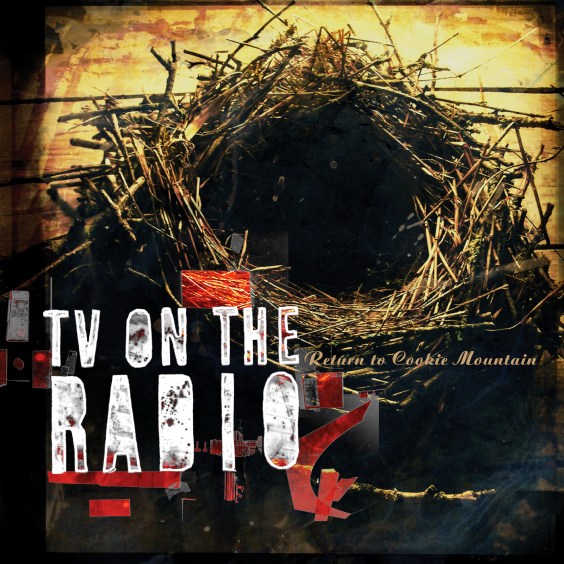
TV on the Radio's sophomore album "Return to Cookie Mountain" reaches two decades of influence this year, marking a milestone for the Brooklyn post-punk revivalists who shaped alternative music in the 2000s. Released in 2006 on Rough Trade Records, the album cemented the band's experimental approach to rock, blending abrasive guitars with Tunde Adebimpe's distinctive vocals and complex production techniques that defied easy categorization.
The record emerged as a counterpoint to mainstream rock trends, arriving when art-school aesthetics and sonic adventurousness felt genuinely transgressive in indie circles. Tracks built on dissonance and unexpected melodic turns showcased TV on the Radio's willingness to complicate their sound beyond the garage-rock simplicity many peers favored. The album's production, helmed by collaborators including David Andrew Sitek, layered textures and distortions into cohesive, propulsive arrangements.
"Return to Cookie Mountain" influenced a generation of bands reconsidering what post-punk and alternative rock could accommodate. Its success validated experimental approaches within the indie mainstream at a moment when clarity and accessibility might have seemed commercially safer. The album's two-decade tenure reflects its sustained relevance, continuing to resonate with listeners discovering the band's catalog years after its release.
TV on the Radio continued evolving after this record, but "Return to Cookie Mountain" remains central to their legacy. The album's anniversary recognition underscores how certain releases transcend their moment, establishing themselves as foundational texts within broader musical movements. For listeners and critics alike, it represents a crucial window into mid-2000s alternative music when genre boundaries remained genuinely unsettled.