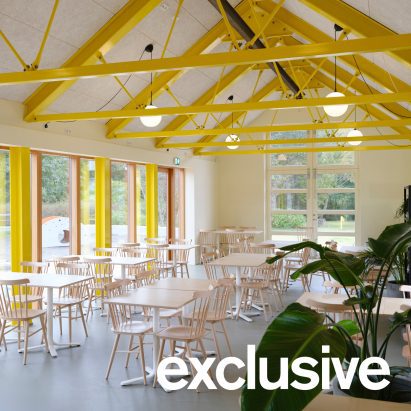
Icelandic architecture studio Terta has repurposed Elliðaárstöð, a decommissioned early 20th-century power station in Reykjavík, into a vibrant cultural and educational campus. The transformation preserves the cluster of historic industrial structures while introducing bold color accents that animate the site without compromising its protected landscape setting.
The project converts the dormant facility into what Terta describes as a "learning by playing" hub, blending cultural programming with educational initiatives. This approach reflects a broader trend in Nordic design practice of activating underutilized industrial heritage through adaptive reuse rather than demolition. The studio's intervention respects the site's architectural integrity while making it accessible and engaging for contemporary audiences.
The Elliðaárstöð site carries historical weight as a symbol of Iceland's early industrial development. By maintaining the original buildings and introducing strategic chromatic elements, Terta navigates the delicate balance between preservation and renewal. The vibrant interventions signal the space's new purpose without erasing its past.
This project positions itself within the expanding conversation about post-industrial landscapes as cultural assets. Similar initiatives across Europe have transformed factories, power plants, and mills into museums, performance venues, and educational centers. Terta's work joins projects like the Zeche Zollverein in Germany and the Landschaftspark Duisburg-Nord as examples of how industrial sites can serve communities beyond their original economic function.
The restoration demonstrates how Reykjavík continues to leverage its architectural heritage as a foundation for cultural development. As urban centers worldwide grapple with obsolete industrial infrastructure, Terta's approach offers a model for sensitive intervention that honors historical context while creating spaces for contemporary use and community engagement.