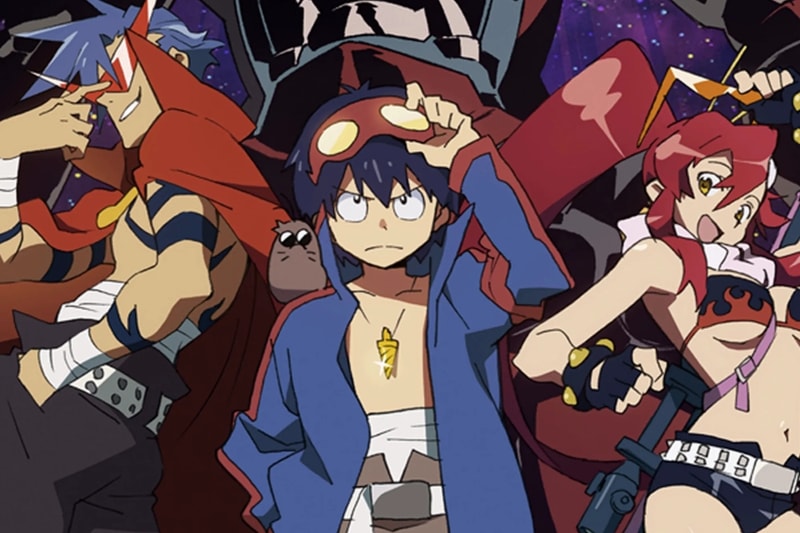
Studio Trigger reunites the creative powerhouse behind anime's most explosive works. Director Hiroyuki Imaishi and screenwriter Kazuki Nakashima, the architects of Tengen Toppa Gurren Lagann and Kill la Kill, have announced their fourth collaboration. The studio positions this new project as a flagship release, though specifics remain under wraps.
Imaishi and Nakashima's partnership defines a particular strain of anime maximalism. Their previous work together spans nearly two decades of escalating ambition. Gurren Lagann became a cultural touchstone for its blend of mecha spectacle and thematic depth about human potential. Kill la Kill pushed boundaries with provocative visual language and combat choreography that influenced a generation of animators. Promare, their 2019 theatrical feature, synthesized their sensibilities into a feature-length statement on rebellion and transformation.
The announcement carries weight in studio hierarchies. Studio Trigger, founded in 2012 by former Gainax veterans, has built its reputation on ambitious original properties. This fourth Imaishi-Nakashima project signals the studio's commitment to its most bankable creative partnership. The studio promises "explosive energy, resilience, and rebellion themes," language that mirrors their established brand of narratives centered on characters defying limits.
Development has already begun, though release timelines remain undisclosed. In the current anime landscape, where streaming services increasingly bankroll productions, flagship projects from acclaimed director-writer teams command considerable resources and audience anticipation. Imaishi's directorial style demands technical precision and animation budgets that only established studios can sustain. Nakashima's screenwriting brings philosophical weight alongside kinetic narrative momentum.
The announcement arrives as anime continues cementing itself as a global medium. Trigger's international reach has grown substantially since Kill la Kill aired in 2013. This new project will likely target both domestic Japanese audiences and the expanding Western fanbase that sustains theatrical and streaming releases. For viewers invested in boundary-pushing animation and thematically ambitious storytelling, this reunion represents the studio operating at its creative