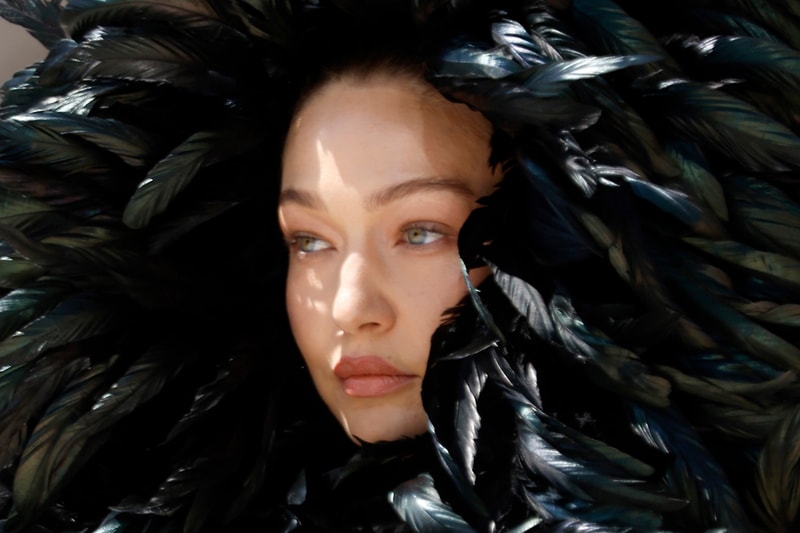
Pierpaolo Piccioli delivered his first haute couture collection for Balenciaga, steering the house toward restraint after years of theatrical excess. The Italian designer stripped away dramatic embellishment in favor of clean silhouettes and architectural precision, marking a decisive departure from the label's recent direction.
Paris fashion week brought other notable shifts. Daniel Roseberry presented an avant-garde Schiaparelli collection centered on unconventional material experimentation, while James Blazy offered Chanel a fairytale-inspired vision for his ongoing tenure at the storied French house.
The week's most significant business development came when Chanel acquired Charvet, France's oldest shirtmaker with roots stretching back to 1838. The acquisition signals Chanel's strategic ambitions in menswear expansion, bringing an institution known for precision tailoring and heritage craftsmanship into the luxury conglomerate's portfolio. Charvet's reputation for bespoke men's shirts positions the brand as a natural complement to Chanel's growing male clientele focus.
Elsewhere in the news cycle, Nike Atelier collaborated with Paris Saint-Germain footballer Désiré Doué on a special-edition sneaker, bridging sportswear and luxury culture in a move increasingly common among major athletic brands.
The week underscored fashion's current preoccupations: established houses recalibrating their creative voices, acquisitions consolidating heritage craftsmanship under luxury umbrellas, and partnerships blending athletic culture with high-end design. Piccioli's restrained approach at Balenciaga suggests the era of maximalism has reached an inflection point, with designers now mining elegance through subtraction rather than accumulation.