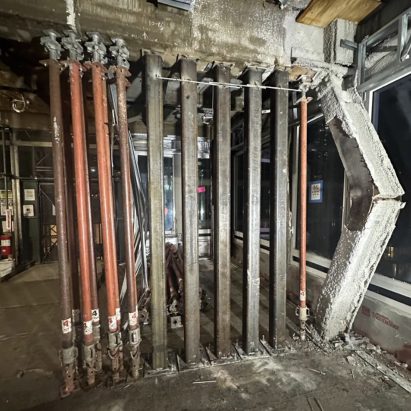
A Manhattan skyscraper with visible structural buckling has been stabilized, according to developer Metro Loft, marking a resolution to weeks of concern over the building's integrity. The developer issued a statement asserting that the structure never faced genuine collapse risk, despite photographic evidence of severe deformation in load-bearing elements that alarmed city officials and nearby residents.
The incident exposed a troubling timeline of construction and design oversights. Structural engineers identified the buckling early in the development process, yet work continued without adequate remediation. Metro Loft's assertion of stability comes after emergency interventions, though the full scope of repairs remains opaque.
The case underscores persistent vulnerabilities in New York's building oversight. The city's Department of Buildings received multiple complaints before visual evidence became undeniable. Safety inspectors eventually ordered corrective measures, forcing the developer's hand. Metro Loft's insistence that danger never existed rings hollow given the scale of structural intervention required.
This incident joins a concerning pattern of construction failures in Manhattan's overheated real estate market. Developers often prioritize timeline and profit margins over rigorous structural review. Engineering consultants face pressure to green-light marginal designs. Regulatory agencies struggle with resource constraints and competing interests.
The stabilization of this building offers temporary relief but masks deeper systemic problems. New York needs stronger enforcement mechanisms, mandatory third-party structural reviews, and meaningful penalties for cutting corners. Without reform, similar failures will recur. The building's stability today reflects crisis management, not competent planning.