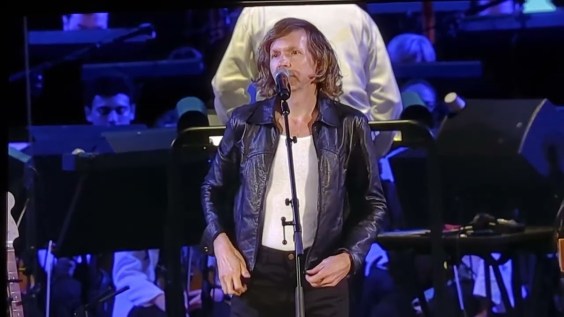
An all-star concert series at the Hollywood Bowl last weekend celebrated the distinctive sonic palette of Wes Anderson's films, featuring performances by Beck, Karen O, and Jackson Browne. The three-night tribute focused on the '60s pop and rock songs that have become inseparable from Anderson's filmography, underscoring how integral music selection remains to the director's instantly recognizable visual and narrative style.
Anderson's approach to soundtrack curation has long set him apart in cinema. His films feature carefully chosen period pieces and classic rock recordings that enhance rather than underscore his aesthetic, creating a symbiotic relationship between image and sound. Songs from his movies have achieved a second life through their association with scenes, reaching audiences who might otherwise never encounter them.
The Hollywood Bowl shows assembled a roster of acclaimed contemporary musicians to reinterpret these iconic tracks. This format allowed both longtime Anderson devotees and casual viewers to experience the music outside its original cinematic context, revealing layers of composition and emotion that film soundtracks often obscure. By removing visuals entirely, the concerts foregrounded the songs themselves, reminding audiences why Anderson selected each piece in the first place.
These tribute concerts reflect a broader cultural moment in which filmmakers are recognized as curators and tastemakers. Anderson's meticulous song selections have influenced how audiences consume music, often introducing lesser-known or overlooked recordings to millions of viewers. The Hollywood Bowl event essentially canonized his soundtrack work, positioning it alongside the director's more celebrated achievements in production design and cinematography.
The gathering also speaks to Anderson's cultural standing. Few contemporary directors command enough reverence to inspire multi-night concert tributes. This recognition affirms that his role as a curator of music ranks among his most lasting contributions to popular culture, one that extends well beyond individual films into shaping how viewers understand and appreciate popular music from previous decades.