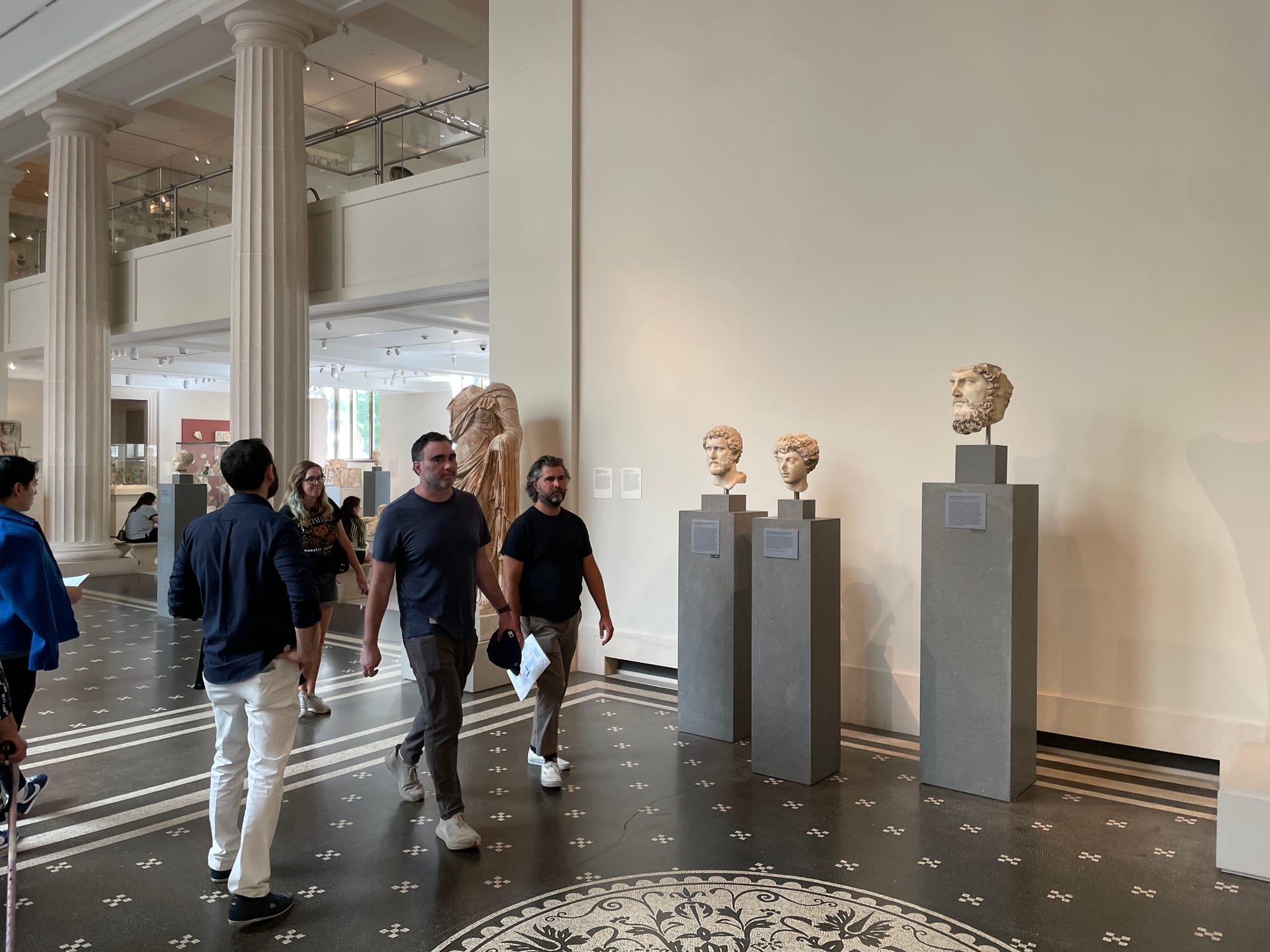
The Metropolitan Museum of Art's recent return of a Roman bust tied to Phoenix Ancient Art has reopened a thorny question haunting American museums: how many questionable antiquities sit in their collections, sold to them by a dealer with a criminal record?
Phoenix Ancient Art, a Geneva-based gallery, became notorious after its founder pleaded guilty to trafficking looted artifacts. Despite this conviction, the gallery had spent decades selling pieces to some of the country's most prestigious institutions. Museums from Boston to Los Angeles accepted works from Phoenix without adequate provenance documentation, the kind of due diligence now considered standard in the field.
The Met's decision to return the Roman bust sets a precedent that complicates life for other institutions. Curators and directors across America now face uncomfortable reckoning with their own acquisition histories. Many pieces purchased from Phoenix remain on display or in storage at dozens of American museums, each one potentially requiring investigation, documentation review, and possible repatriation.
This situation reflects a broader crisis in museum ethics. For years, the antiquities market operated with minimal oversight. Dealers like Phoenix thrived by exploiting gaps between purchase and accountability. Museums, eager to fill galleries and build collections, often accepted glossy catalogs and vague histories as sufficient provenance.
The legal and ethical standards have shifted dramatically. Today's museums face pressure from source countries, repatriation advocates, and their own communities to clean house. Yet the process moves slowly. Each return requires research, bureaucratic navigation, and sometimes difficult conversations with donors who funded acquisitions decades ago.
What happens next depends partly on whether other institutions follow the Met's lead. A coordinated effort to identify and return problematic Phoenix pieces could restore credibility to American museums. Continued silence would signal that institutional reputation still trumps historical responsibility. The bust's return marks a moment of institutional reckoning, but the real test comes in whether that moment catalyzes broader change across the museum world.