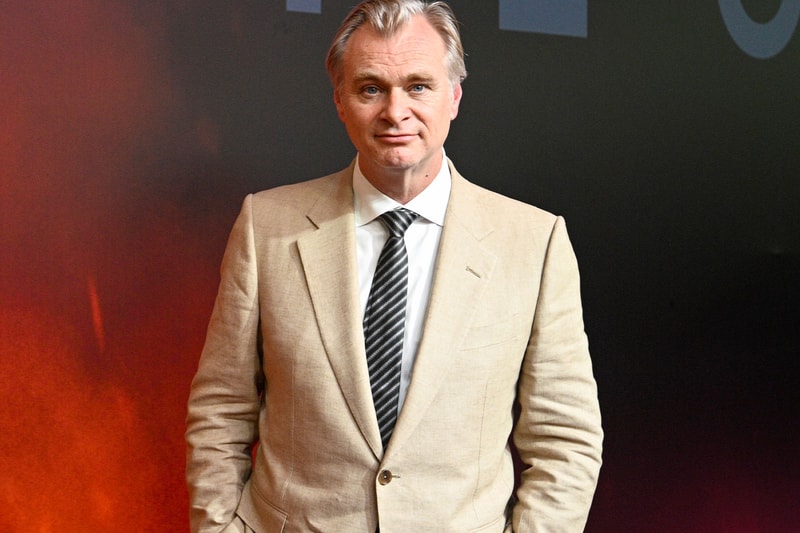
Christopher Nolan plans to step back from filmmaking for at least three years after completing "The Odyssey," his next directorial effort. The filmmaker attributed his extended hiatus to physical and mental exhaustion incurred during production of the ambitious project.
Nolan described hitting "the absolute limits" of his stamina while bringing "The Odyssey" to the screen. The film carries the distinction of being the first movie ever shot entirely on IMAX 70mm film, a technical achievement that demanded grueling practical effects work and location shoots in remote settings. The combination of technological innovation and logistical complexity extracted a visible toll on the director.
This marks a departure from Nolan's typically prolific schedule. The auteur has built his reputation on delivering major studio tentpoles at regular intervals. His recent slate includes "Oppenheimer," which dominated the 2024 awards season and grossed over $950 million globally, and "Interstellar," "The Dark Knight" trilogy, and "Inception" before that. Each project showcased his commitment to practical filmmaking over digital shortcuts, but none demanded quite the physical investment of "The Odyssey."
The announced break suggests the scale of "The Odyssey" exceeds even Nolan's previous epics. IMAX 70mm cinematography requires specialized equipment, while the director's insistence on practical effects over CGI means cast and crew worked in harsh conditions without digital safety nets. The remote location shooting added another layer of difficulty, isolating the production from standard studio infrastructure.
Nolan's transparency about his limits offers a rare glimpse into the human cost of modern blockbuster filmmaking. Unlike younger directors cycling through franchise installments annually, Nolan treats each film as a monumental undertaking. His three-year rest period underscores how "The Odyssey" represents the culmination of his practical effects philosophy, pushed to exhaustion.
The hiatus will likely push his next project into the early 2030s, giving the industry landscape time to shift while audiences anticipate his return. For now, the director has earned his repr