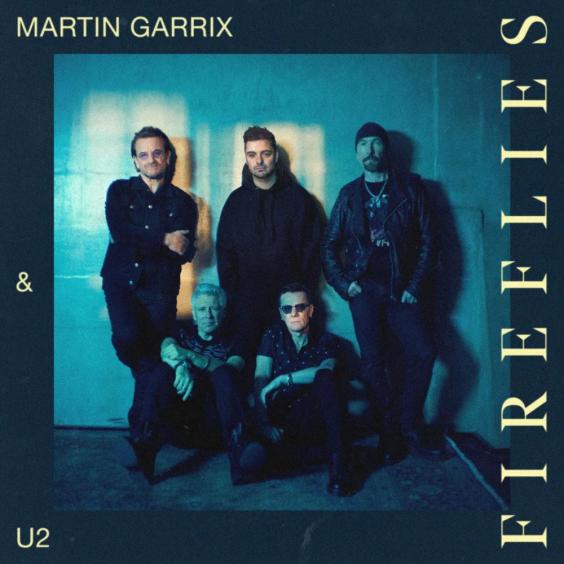
The Edge of U2 made a surprise appearance at Tomorrowland in Antwerp, Belgium on Friday to debut a new collaboration with Dutch electronic producer Martin Garrix. The track, titled "Fireflies," marked the second recent U2 release following "Street of Dreams," which the band unveiled last week with accompanying footage shot in Mexico City.
The festival performance underscores a notable shift in how legacy rock acts engage with electronic music and younger audiences. Garrix, a producer who rose to prominence in the early 2010s with his progressive house sound, represents a different generation entirely from U2's 1980s origins. Yet the pairing reflects a broader industry trend where established artists cross genre boundaries to remain culturally relevant.
U2 has spent the better part of a decade recalibrating its presence. The band's 2014 album "Songs of Innocence" sparked controversy when Apple forced it onto iTunes users' devices without consent. That misstep seemed to recalibrate their approach toward selective, strategic releases rather than aggressive rollouts. "Street of Dreams" and now "Fireflies" suggest a measured return to recording after years of touring their back catalog.
The Tomorrowland announcement also comes at an interesting moment for Garrix. While his early hits like "Animals" dominated dance floors, his recent output has grown more ambitious in scope, collaborating across musical boundaries. Pairing with The Edge taps into that ambition while offering the U2 guitarist a pathway to electronic audiences.
Festival debuts have become standard rollout strategy for major collaborations. The live announcement generates immediate social media amplification and positions both artists as culturally engaged rather than museum pieces. For U2, particularly, remaining visible at events like Tomorrowland signals the band isn't content to live solely off catalog nostalgia, even as critics question whether their latest material matches the innovation that defined their peak.