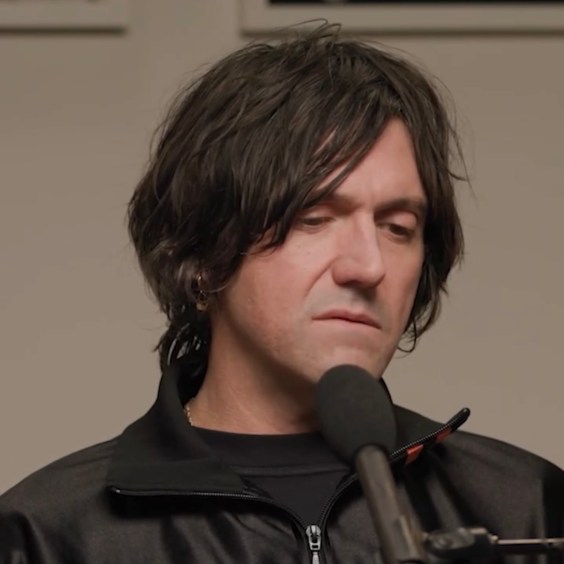
Conor Oberst opened up about the mental health crisis that forced Bright Eyes to cancel tour dates in 2024. The indie rock frontman confirmed that vocal troubles were only part of a larger struggle. "I was really close to the edge," Oberst told reporters, acknowledging speculation that extended beyond physical voice problems.
The cancellation left fans and industry observers wondering about the scope of his difficulties. Oberst had kept details sparse at the time, citing vocal issues as the public reason for scrapping the remainder of his touring schedule. The vagueness fueled rumors about deeper personal turmoil, which the musician has now largely validated.
Since that difficult period, Oberst's trajectory has shifted noticeably. He has returned to performing, ventured into cannabis entrepreneurship by selling pre-rolls, and apparently lost his own lookalike contest, suggesting a lighter frame of mind. The contrast between then and now underscores both the severity of his condition and the recovery work he has undertaken.
Oberst's candor joins a growing conversation among aging indie rock figures about mental health and burnout. The Bright Eyes founder built his career on confessional songwriting and emotional vulnerability, so his willingness to discuss personal crisis aligns with his artistic ethos. Yet the gap between public persona and private reality remains stark. What listeners heard as poetic existentialism in his songs carried genuine weight, rooted in psychological struggle.
The admission also reflects changing attitudes toward artist wellness. Where previous generations of musicians often suffered in silence or self-medicated publicly, contemporary artists increasingly name their crises directly. Oberst's openness normalizes the conversation, particularly for male artists in indie rock circles where emotional discussion still carries lingering stigma.
His recovery and return to work signal resilience, though the journey from "really close to the edge" to selling pre-rolls and losing lookalike contests underscores both the seriousness of his condition and his determination to move forward.