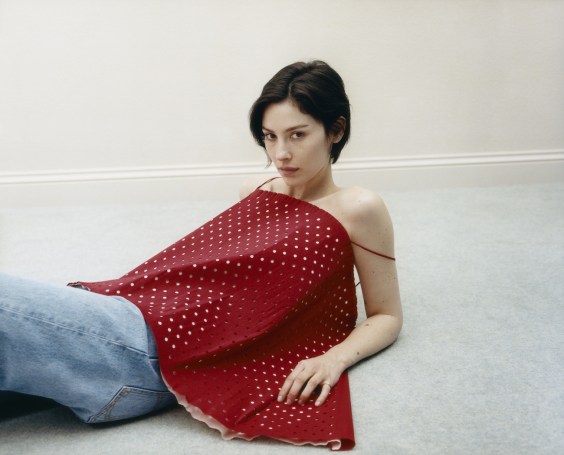
Gracie Abrams has spent her career trapped within competing narratives that threaten to overshadow her actual work. The LA-based singer-songwriter operates in the shadow of multiple identities: superfan-turned-protegee of Taylor Swift, poster child for melancholic "sad girl" pop, and daughter of showrunner J.J. Abrams. Each label carries its own weight and expectation.
The "sad girl" categorization, while commercially useful, has calcified into a reductive shorthand. Fans on Spotify have created playlists titled "gracie abrams but it gets progressively sadder," reducing her artistry to a single emotional register. This pigeonholing reflects a broader pattern in music criticism and fandom: the tendency to flatten complex artists into convenient archetypes, particularly women who write introspective, emotionally direct songs.
Her connection to Swift operates as both blessing and curse. The mentorship elevated Abrams' profile considerably, but it also invites constant comparison and creates an implicit hierarchy. Abrams risks being perceived as derivative rather than distinctive, an extension of Swift's legacy rather than an independent voice building her own catalogue.
The Abrams family name adds another layer of external pressure. Discussion of her work frequently circles back to her father's prominence in television, as if his success somehow explains or validates her own accomplishments. This pattern reveals how industry legacies function: they provide genuine advantages but simultaneously invite skepticism about merit and originality.
What Abrams confronts is the fundamental mismatch between who she is as an artist and who the public expects her to be. Breaking free from these constructed identities requires her to stake territory that feels distinctly hers, independent of Swift's orbit, her father's reputation, or genre expectations. The challenge lies not just in making different music, but in convincing audiences to see her anew.