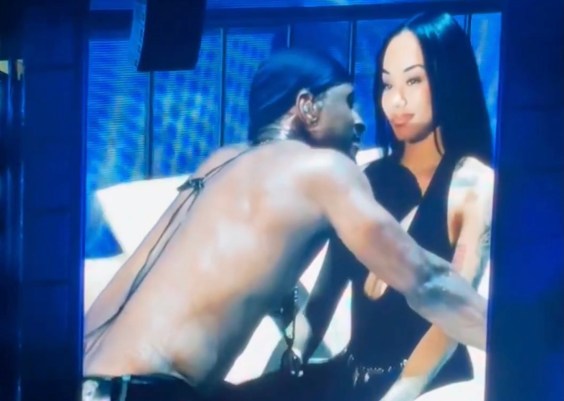
Usher addressed a viral moment from his Nashville concert in which an audience member invited onstage for his signature seduction routine appeared visibly uncomfortable during the performance. The R&B superstar's interactive segment, a staple of his live shows for decades, typically invites a fan to join him on stage while he sings and performs choreography with them. This particular incident veered into awkwardness when the selected audience member seemed hesitant to participate fully in the routine.
The moment gained significant traction on social media, prompting Usher to issue a direct warning to future concert attendees. His message was blunt: fans who don't genuinely want to be part of the experience should not volunteer. The artist essentially reinforced that his onstage invitations require willing, enthusiastic participants.
Usher's interactive performance style draws inspiration from Janet Jackson's concert traditions, where he solicits crowd participation for intimate stage moments. These routines have become expected elements of his shows, creating memorable fan experiences when executed smoothly. However, the Nashville incident underscored the risks when audience members say yes without genuine enthusiasm or understanding what participation entails.
The viral nature of the awkward moment highlighted a broader tension in live performance: the gap between artist expectations and audience comfort levels. Usher's response suggests he views the responsibility as shared. Fans who accept invitations should come prepared for the choreography and physical proximity involved.
This incident sparked conversations about consent and comfort in live entertainment spaces. While Usher's stage invitations are consensual in theory, the Nashville situation revealed that verbal agreement doesn't always translate to actual readiness for the experience. The artist's straightforward warning reflects his frustration with audiences who raise their hands without committing fully to what's required.