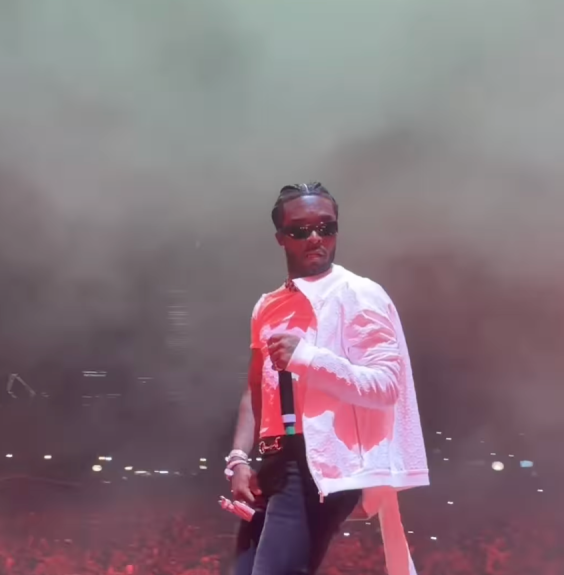
Lil Uzi Vert's Lollapalooza appearance collapsed under literal and logistical storms. The Philadelphia rapper was scheduled to perform on his 31st birthday, but weather forced organizers to pull the plug. Festival officials initially blamed meteorological conditions on Instagram, though onstage announcements cited travel complications. The cancellation stripped what promised to be a marquee festival moment.
But Uzi recovered the weekend. He pivoted to Major Lazer's set, joining the dancehall-electronic supergroup for an unscheduled performance that salvaged his festival presence. The collaboration delivered the kind of spontaneous energy that defines festival culture when plans fracture.
Uzi doubled down with a surprise EP release, turning the Lollapalooza disappointment into content momentum. The move reflects how contemporary artists weaponize unexpected drops as compensation for live setbacks. In an era where album rollouts dominate streaming cycles, a surprise project functions as both apology and promotional salvo.
The sequence reveals the fragility of festival scheduling and the improvisation required at scale. Lollapalooza operates across Chicago with thousands of moving parts. Weather creates cascading cancellations that ripple through artist rosters and attendee expectations. Yet the festival format also enables collaboration in real time. Major Lazer absorbed Uzi into their set because that option existed. Traditional concert dates don't permit such flexibility.
Uzi's recovery strategy mirrors how artists now operate across multiple platforms simultaneously. Missing a main stage slot stung, but the appearance with Major Lazer plus the surprise project generated alternate coverage. The weekend narrative shifted from cancellation to redemption arc.