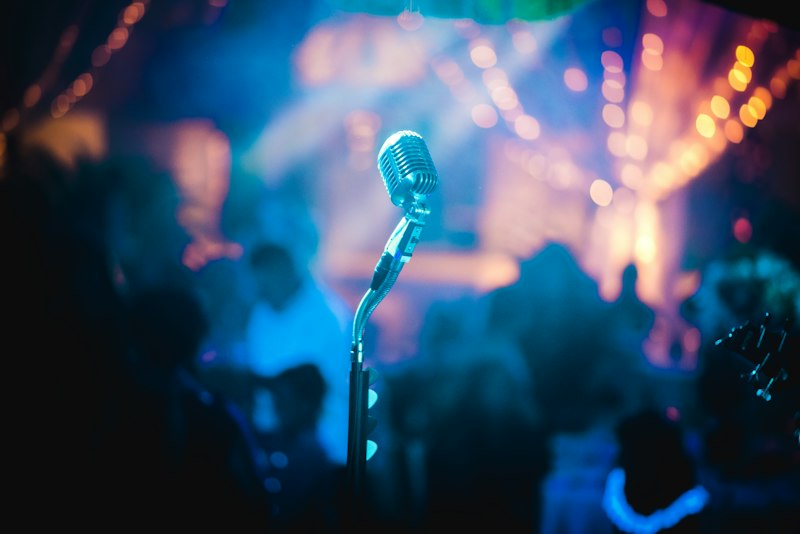
The music industry wants us to believe something comforting: that playlists curated by algorithms are the natural evolution of how we discover art. Spotify's algorithmic recommendations, Apple Music's AI-driven selections, and similar systems across streaming platforms are being sold as inevitable progress. They're efficient. They're personalized. They're the future.
This trend deserves far more skepticism than it's receiving.
Don't misunderstand the argument. Algorithmic curation solves real problems. It helps listeners navigate millions of songs. It surfaces artists who might otherwise be buried in obscurity. For casual listeners, these systems work reasonably well at matching people with music they'll probably enjoy.
But there's a hidden cost we're not discussing enough: the flattening of taste-making itself.
When algorithms become our primary discovery engine, they optimize for engagement, not enlightenment. They reward predictability. They amplify what already works rather than champion what's challenging or unfamiliar. A system trained on listening patterns will naturally recommend music similar to what you've already heard. It's mathematically sound. It's also creatively conservative.
Consider what we've lost in the transition from the old discovery model. Music critics, radio DJs, and independent playlist curators brought something algorithms struggle to replicate: conviction. They had taste that was often idiosyncratic, sometimes polarizing, always reasoned. They could explain why a song mattered beyond data points. They took risks. They championed difficult artists because they believed in them, not because the numbers supported it.
This isn't nostalgia for a mythical past. It's acknowledgment that different systems have different strengths and blindspots.
The algorithm excels at finding music you'll probably like. It struggles with music you need to like, or should like, or might love if you gave it time. It can't account for the value of artistic challenge, cultural importance, or the simple human experience of having your taste expanded by someone who sees further than you do.
What troubles me most is how invisible this trade-off has become. Most listeners don't realize their discovery experience is shaped by engagement optimization rather than artistic judgment. They encounter playlists as neutral recommendations, not as arguments about what matters in culture. That neutrality is an illusion.
The industry frames algorithmic curation as inevitable because it's profitable and scalable. Spotify doesn't need to employ thousands of music critics when machines can sort listeners into preference clusters. It's efficient. But efficiency and cultural vitality aren't the same thing.
We're seeing the consequences in how taste gets homogenized. Certain artists get algorithmic momentum and become omnipresent. Others, equally talented but less algorithmically optimizable, languish in obscurity. The middle tier of discovery has collapsed. There's the massively recommended, and then there's everything else.
This doesn't mean we should abandon algorithmic tools. They're useful. But they shouldn't be our sole discovery mechanism or our primary model for cultural gatekeeping. We need space for human curation, for critical judgment, for taste-makers who argue passionately for art based on something deeper than engagement metrics.
The real question isn't whether algorithms are inevitable. They're here; that's settled. The question is whether we'll allow them to become our only pathway to discovering culture. Whether we'll accept that efficiency is the highest value in art consumption.
We shouldn't. Culture needs advocates, not just recommendation engines. It needs people willing to stake their judgment on whether something matters. Until we demand that alongside our algorithmic convenience, we'll keep telling ourselves that what's profitable is what's necessary.
Sometimes it is. But not always.