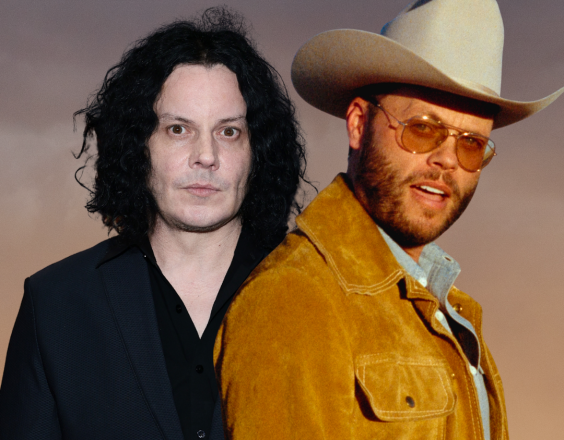
Charley Crockett and Jack White are locked in a public dispute that centers on artistic principle and censorship.
The conflict began when Crockett dropped Twin Temple from his tour dates, citing their Satanic imagery as incompatible with his values. White, the White Stripes and Raconteurs frontman, responded by booking the LA duo to open his upcoming Los Angeles show. Crockett then attacked White on social media, claiming the legendary musician had lost credibility and historically dodged political engagement.
White fired back that same evening, defending his artistic autonomy and his choice of opener. Now Crockett continues the escalation, amplifying his criticism across multiple posts.
The clash reveals a genuine fault line in contemporary country and rock music. Crockett operates within a more socially conservative framework, comfortable exercising gatekeeping authority over who performs alongside him. White, by contrast, champions artistic freedom and appears to view such exclusions as censorious.
Crockett's accusation that White "avoided political issues" rings hollow given White's long record of social commentary. The White Stripes frontman has frequently engaged with controversial material and worked across genres without concern for ideological purity. His willingness to book Twin Temple signals a deliberate counter to Crockett's decision.
This public feud matters because it exposes how differently artists weigh creative freedom against personal conviction. Crockett operates as a curator of moral boundaries within his own tours. White treats artistic merit and shock value as separable from his booking decisions.
The dispute will likely generate more social media theater, but it underscores a real disagreement about who gets access to stages and whether artists should police their peers' imagery. Crockett's position carries moral weight for his audience. White's position carries weight for musicians who value unfiltered expression.