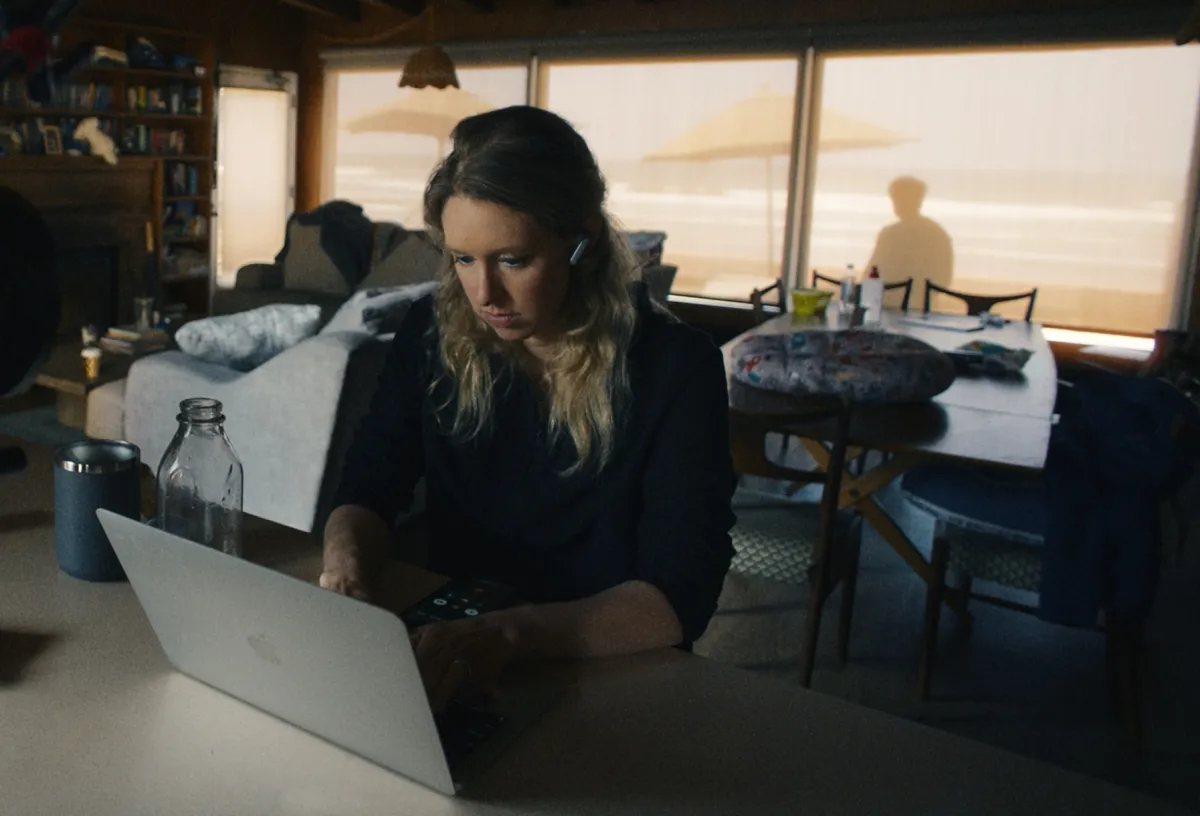
A24's "You Can See Everything," the experimental documentary collaboration between Nathan Fielding and Lance Oppenheim, has become an unexpected box office juggernaut. The film earned $19.5 million in its second weekend, a rare hold that actually increased from its opening frame across North American theaters.
The film's escalating performance defies conventional theatrical patterns. Most documentaries, particularly those with avant-garde sensibilities, experience steep drops after their debuts. Instead, "You Can See Everything" has maintained momentum through word-of-mouth and expanded awareness. This trajectory positions it among the highest-grossing documentaries of recent years, a category traditionally dominated by crime stories and celebrity narratives.
The project examines Elizabeth Holmes, the disgraced Theranos founder, through an unconventional lens. Fielding, known for his unscripted HBO comedy "Nathan for You," brings his signature deadpan humor and boundary-pushing methodology to documentary form. Oppenheim, whose previous work includes "The Noise It Makes," contributes a visual sensibility grounded in meticulous observation. Together they construct something that transcends standard biographical documentary by refusing easy moralization or traditional narrative resolution.
A24 has positioned the film as prestige event cinema rather than standard streaming content, despite the distributor's reputation for independent discovery platforms. This strategy appears vindicated by the theatrical performance. The label's confidence reflects broader industry recognition that audiences actively seek non-traditional documentary experiences when given proper distribution and marketing support.
The film's second-weekend performance carries implications for documentary distribution generally. Major studios have increasingly relegated non-fiction to streaming platforms, treating theatrical as a loss leader or promotional vehicle. "You Can See Everything" demonstrates that audiences will sit in theaters for ambitious, formally inventive documentaries when those works promise something substantively different from streaming content.
Holmes remains a cultural fixation nearly a decade after Theranos's collapse. "The Dropout" miniseries on Hulu and John Carreyrou's bestselling book "Bad Blood" established narrative frameworks that audiences know. What Fielding and Oppenheim's film does differently requires experiencing it directly rather than accepting familiar frames. This distinction appears to drive repeat viewings and sustained ticket sales.
The film's continued strength also reflects fragmented theatrical marketplace dynamics. With major studio releases spreading across the calendar and franchise tentpoles occupying premium screens, independent distributors like A24 have created space for alternative programming. "You Can See Everything" fills that opening convincingly.
For A24, the performance vindicates continued investment in documentary cinema at a theatrical scale. The label has built reputation through calculated risks on formally adventurous work. This success suggests audiences value that curatorial voice enough to support it through ticket purchases rather than passive streaming consumption. The film continues expanding into additional markets, indicating A24 expects sustained performance through multiple weekends ahead.