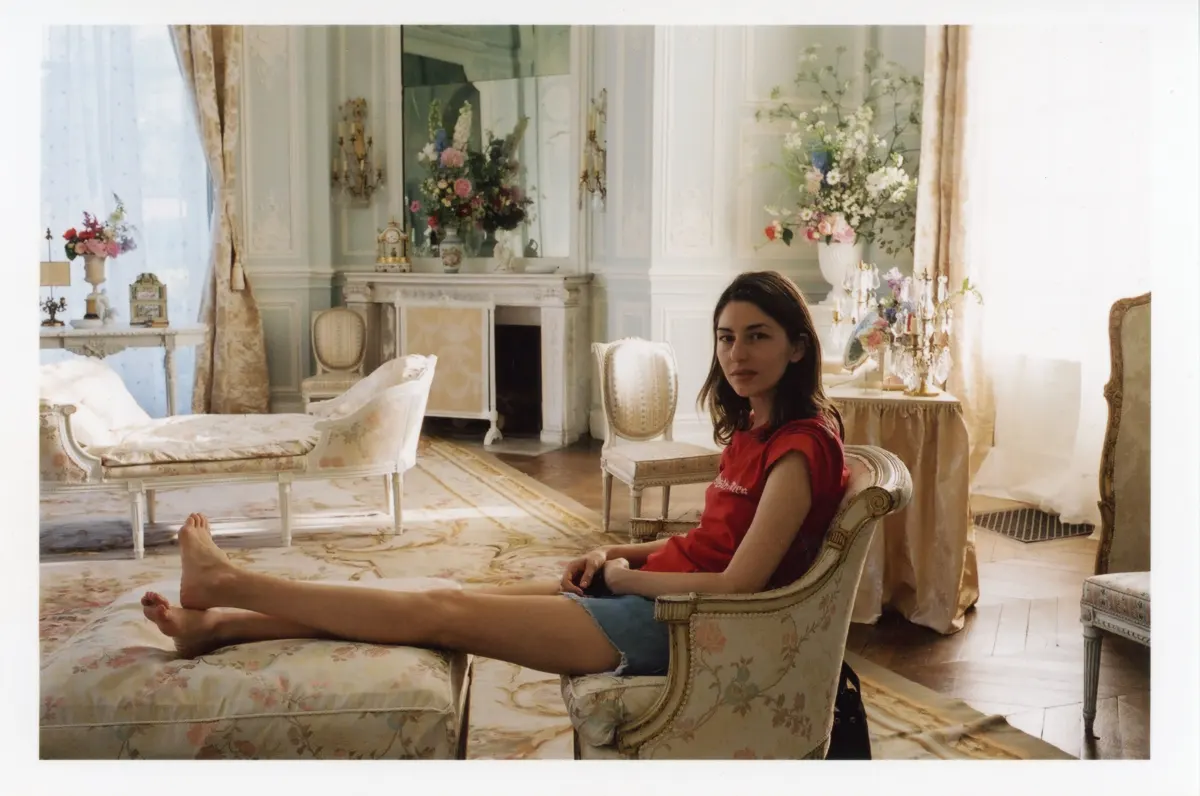
# Sofia Coppola Revisits Her Contested Masterpiece Two Decades Later
Sofia Coppola has circled back to Marie Antoinette, her 2006 film about the doomed French queen, by completing a documentary project begun by her late mother Eleanor Coppola. The resulting film, Making Marie Antoinette, offers Coppola a chance to reckon with one of her most divisive works and the toll its creation took on her as a filmmaker.
When Marie Antoinette premiered at Cannes two decades ago, it arrived as a radical reimagining of historical costume drama. Coppola cast Kirsten Dunst as the teenage queen and stripped away traditional reverence for the period piece, instead offering a sensory immersion into Versailles that prioritized atmosphere and teenage ennui over narrative coherence. The film featured Converse sneakers in the palace, contemporary pop music on the soundtrack, and a protagonist defined less by political consequence than by her search for pleasure and connection.
Critics treated the film as an affront to historical cinema. Reviewers criticized its perceived vapidity, its apparent disinterest in the Revolution itself, and what they saw as Coppola's reduction of tragedy to the emotional experience of a bored aristocrat. The backlash stung. Coppola had already faced skepticism following The Virgin Suicides in 1999, but Marie Antoinette crystallized the divide between those who embraced her aesthetic sensibility and those who dismissed it as style devoid of substance.
Eleanor Coppola, Francis Ford Coppola's wife and a documentarian in her own right, began filming behind-the-scenes material during production. She captured Coppola navigating studio interference, budget pressures, and the weight of shepherding such an unconventional vision through the commercial apparatus of filmmaking. Before Eleanor's death in 2023, she had compiled extensive footage. Sofia completed the project as a tribute to her mother and as an act of reflection.
The documentary transforms what might have been a making-of featurette into something more introspective. By finishing Eleanor's work, Sofia engages in a form of conversation with her mother about the nature of artistic vision, the price of artistic conviction, and how a film ages under the accumulating weight of time and cultural argument.
Revisiting Marie Antoinette two decades later casts the film in new light. What critics initially derided as fluff now reads to many viewers as a shrewd interrogation of female adolescence under impossible conditions. The film's refusal to moralize, its commitment to sensory texture over didacticism, has found defenders among subsequent generations of critics and viewers. Coppola's formal choices that once seemed perverse now appear intentional, even prophetic about the visual grammar of contemporary cinema.
Making Marie Antoinette allows Coppola to contextualize her choices without defensive argument. Eleanor's camera captures Coppola at a vulnerable moment in her career, wrestling with forces that wanted to reshape her vision. Sofia's completion of her mother's project transforms documentation into elegy and reclamation simultaneously. The film becomes an opportunity to see Marie Antoinette not as a failure that required decades to rehabilitate, but as a work made under duress by an artist determined to honor her own instincts, whatever the immediate cost.