# How 'Buddy' Became 2026's Unlikely Blockbuster: The Team Behind the Murderous Unicorn
A murderous unicorn sounds like a premise destined for cult obscurity, not mainstream triumph. Yet "Buddy" has shattered expectations to become one of 2026's defining hits, prompting industry observers to dissect exactly how filmmakers convinced audiences to root for a killer fantasy creature.
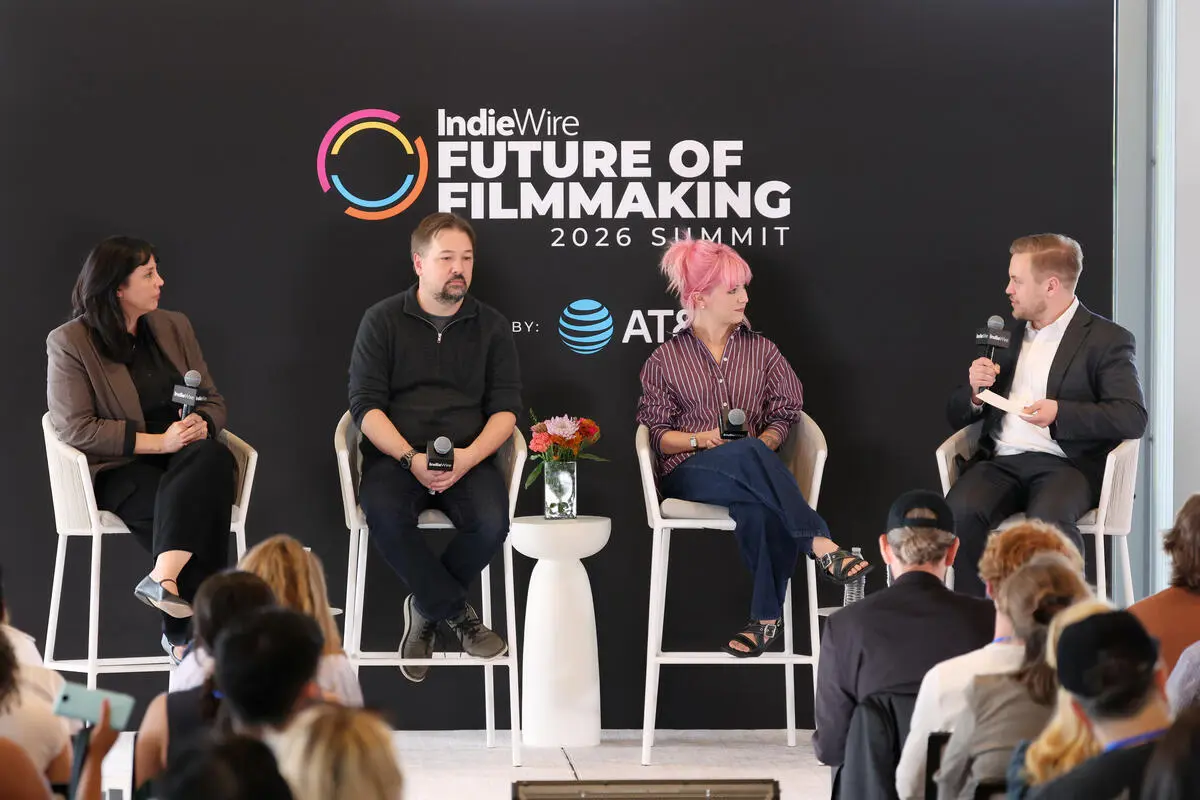
At IndieWire's Future of Filmmaking Summit, the architects of this unlikely success gathered to reveal their playbook. Producer Tracy Rosenblum, co-writer Jamie King, and Melissa Yerou, head of digital marketing for distributor Roadside Attractions, walked through the strategic decisions that transformed a high-concept premise into genuine cultural phenomenon.
The film's appeal speaks to a broader shift in audience appetite. Viewers increasingly gravitate toward morally complex protagonists. Antiheroes populate prestige television and streaming platforms. Genre-bending narratives dominate festival circuits. "Buddy" capitalized on this hunger for irreverence and subversion, packaging it within a deceptively cute visual wrapper that disguises darker storytelling underneath.
Rosenblum's production choices centered on tonal balance. The murderous unicorn needed visual charisma without descending into camp parody or becoming unwatchably grim. This balance proved critical. Audiences responded to the character's contradictions: a creature simultaneously adorable and dangerous, tragic and darkly comedic. The production team resisted the temptation to oversell the violence or lean too heavily into whimsy.
King's writing contributions shaped the emotional architecture. Rather than treating the premise as pure concept, he grounded the narrative in genuine character motivation. The unicorn's violence stems from comprehensible impulses, not random malice. Viewers empathize before they judge. This approach transforms what could have been a one-note gimmick into something resembling psychological depth. The murderous acts gain context and consequence.
Yerou's digital marketing strategy proved equally decisive. Roadside Attractions, known for specialized distribution of independent and art-house films, deployed a grassroots campaign that seeded the film across social media before traditional marketing kicked in. Short clips of the unicorn's peculiar behavior circulated on platforms favoring discovery and shareability. The campaign positioned "Buddy" as unmissable, as conversation necessary, as something the cultural conversation would soon demand you witness.
The combination created momentum. "Buddy" transcended its unlikely premise by refusing easy categorization. It functioned simultaneously as comedy, horror, character study, and fairy tale subversion. Different audience segments found different entry points. Film critics praised its originality. Social media audiences discovered it through viral clips. Genre enthusiasts recognized its homage to transgressive cinema.
This success carries implications for 2026's production landscape. Studios continue bankrolling sequels and established IP, but "Buddy" demonstrates the market rewards bold, original concepts executed with precision and conviction. The film proves that distinctive voices and unusual premises retain box office viability when backed by skillful craftsmanship and strategic distribution.
Roadside Attractions specializes in films that defy conventional marketing wisdom. The distributor recognized that "Buddy" required non-standard approaches. Rather than fighting the inherent strangeness of a murderous unicorn protagonist, the team embraced it as the primary selling point. Audiences responded to authenticity over manufactured palatability.
The IndieWire panel function as a blueprint for emerging filmmakers. Strategic storytelling, tonal control, and platform-savvy marketing can elevate even the most unconventional premises into mainstream consciousness. "Buddy" succeeded not despite its weirdness, but because of it.